What are you looking for?
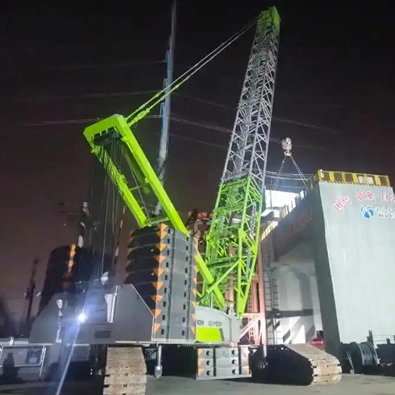
On construction sites, every piece of equipment used for lifting and hoisting directly impacts safety and efficiency. Among these, lifting slings serve as the lifeline that connects heavy loads to cranes or hoists. Whether made from steel chains or nylon lifting slings, these tools bear extreme pressure and must comply with the strictest safety standards. Without proper regulation, the risks of accidents increase dramatically, which is why lifting slings manufacturers place enormous emphasis on inspection, durability, and compliance. Brands such as Huaxin, with decades of experience in hoisting technology, have made safety a fundamental part of their production philosophy.
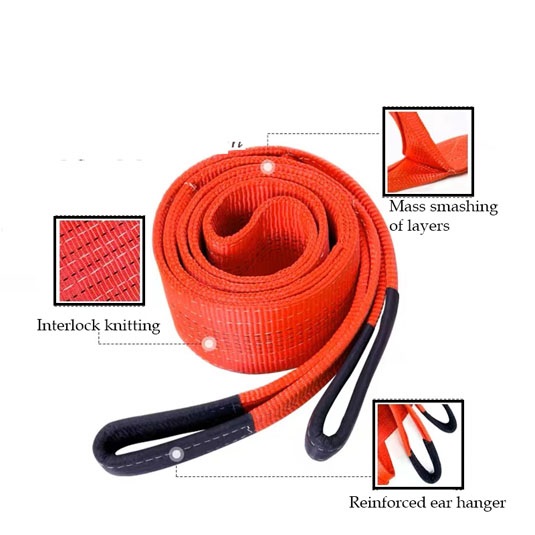
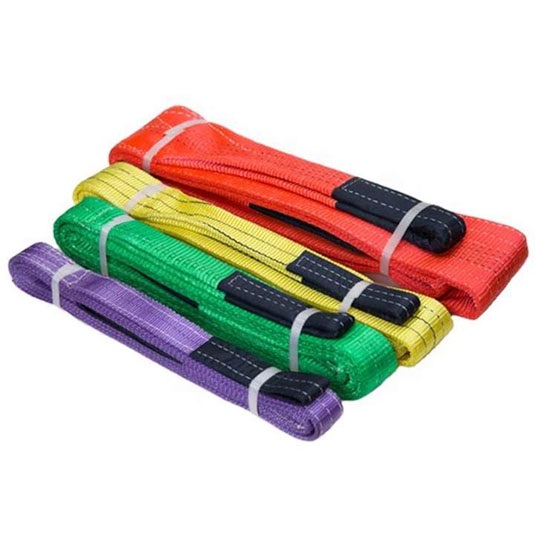
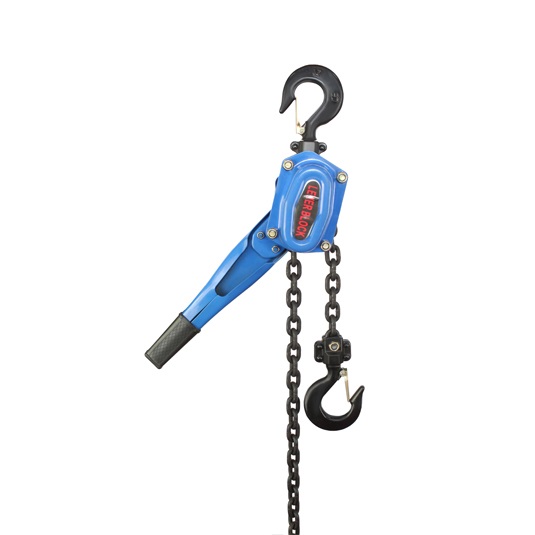
The material used to manufacture lifting slings is the first factor that determines safety. Nylon lifting slings have become increasingly popular due to their flexibility, lightweight structure, and ability to handle fragile loads without damaging surfaces. They are particularly useful in industries that require delicate handling alongside strength. On the other hand, heavy-duty chain slings remain essential for rugged construction and industrial applications. Responsible lifting slings manufacturers not only provide both options but also rigorously test the tensile strength, wear resistance, and load capacity of each product before it reaches the field. Huaxin, for example, ensures each chain and sling undergoes strict inspections by technicians with over 30 years of expertise.
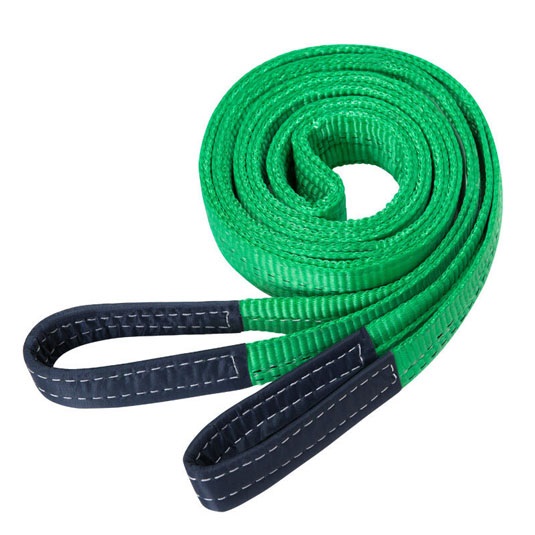
Safety in lifting operations cannot rely on manufacturer reputation alone—it must also be reinforced by compliance with recognized industry standards. Globally, regulations such as ISO, CE, and various national safety codes guide the production and usage of lifting slings. Nylon lifting slings must be tested for elongation limits, while chain slings require verification of fatigue resistance and weld integrity. Leading lifting slings manufacturers like Huaxin integrate these standards into every step of production, from raw material selection to final testing, ensuring that their products are not only high-performing but also legally compliant. Such dedication minimizes risks and enhances trust on construction sites.
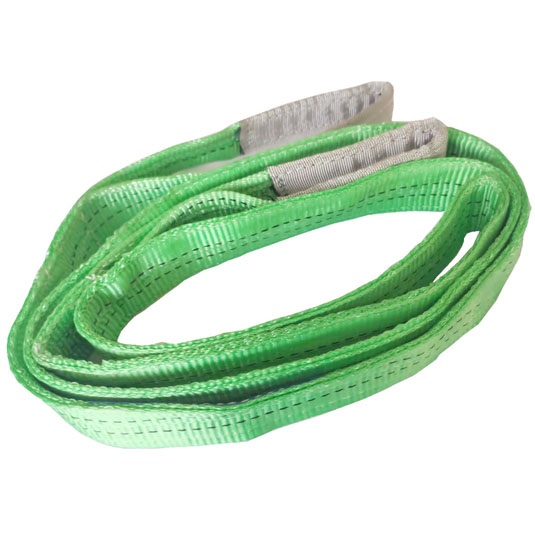
Even the highest-quality slings can become unsafe if they are not properly maintained. Routine inspection is therefore a vital safety standard. Operators are trained to check nylon lifting slings for signs of fraying, cuts, or chemical damage, while chain slings must be examined for deformation, cracks, or excessive wear. By following these protocols, construction teams extend the service life of their equipment and prevent unexpected failures. Lifting slings manufacturers often provide guidelines for care and usage, which play an equally important role as the slings themselves in safeguarding workplace safety.
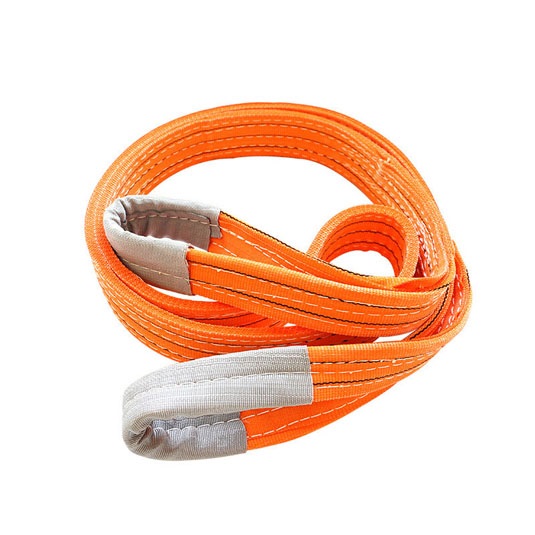
Construction environments are dynamic and full of challenges, which is why safety equipment must be reliable. Nylon lifting slings provide versatility for lighter or more fragile loads, while heavy-duty chain slings handle the toughest lifting tasks. The safety standards governing these tools form the backbone of site security, reducing the likelihood of accidents and ensuring smooth operations. Trusted lifting slings manufacturers like Huaxin combine advanced technology, strict inspection processes, and decades of expertise to keep these lifelines strong. On every construction site, the reliability of lifting slings is more than a technical requirement—it is a commitment to protecting lives and enabling progress.