Email Us
export@bdhxqz.com
Advanced Facilities & Technical Expertise
Equipped with state-of-the-art testing facilities and a skilled technical team, we ensure top-notch product performance and reliability.


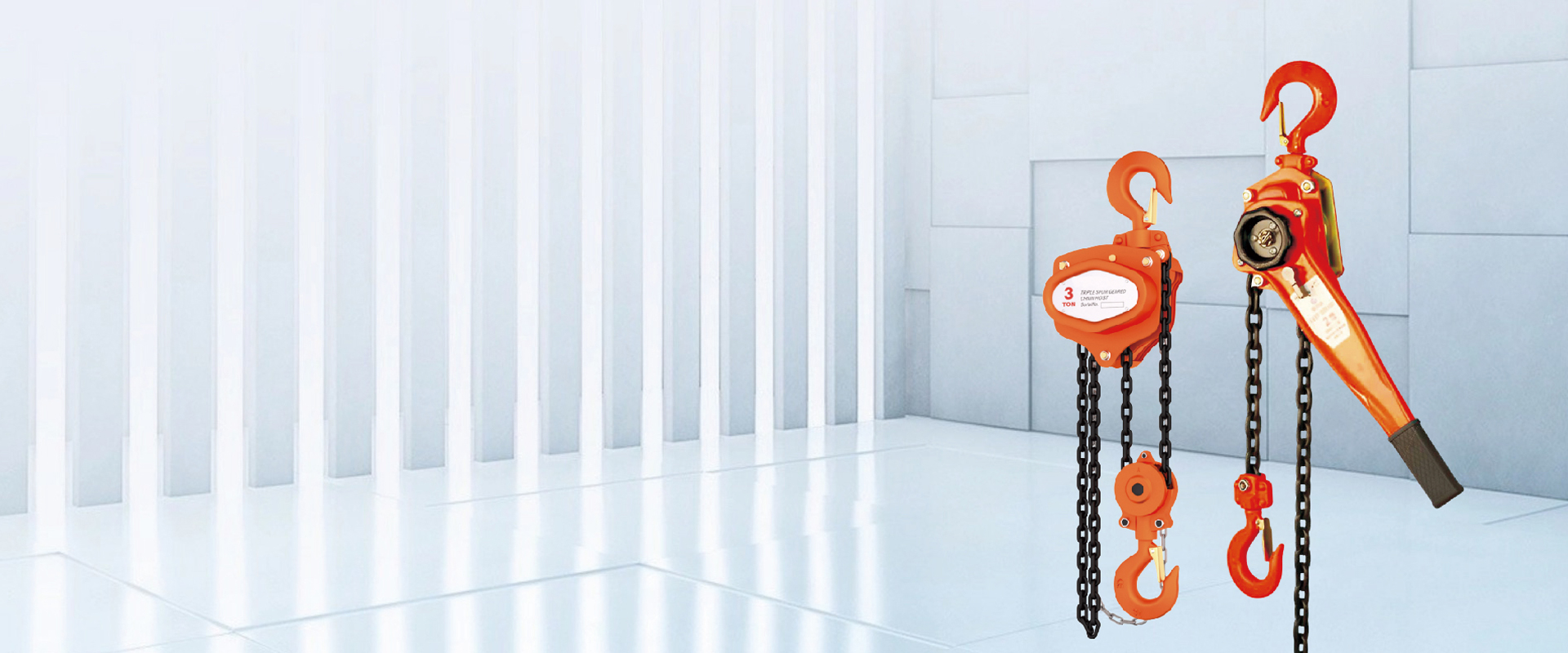
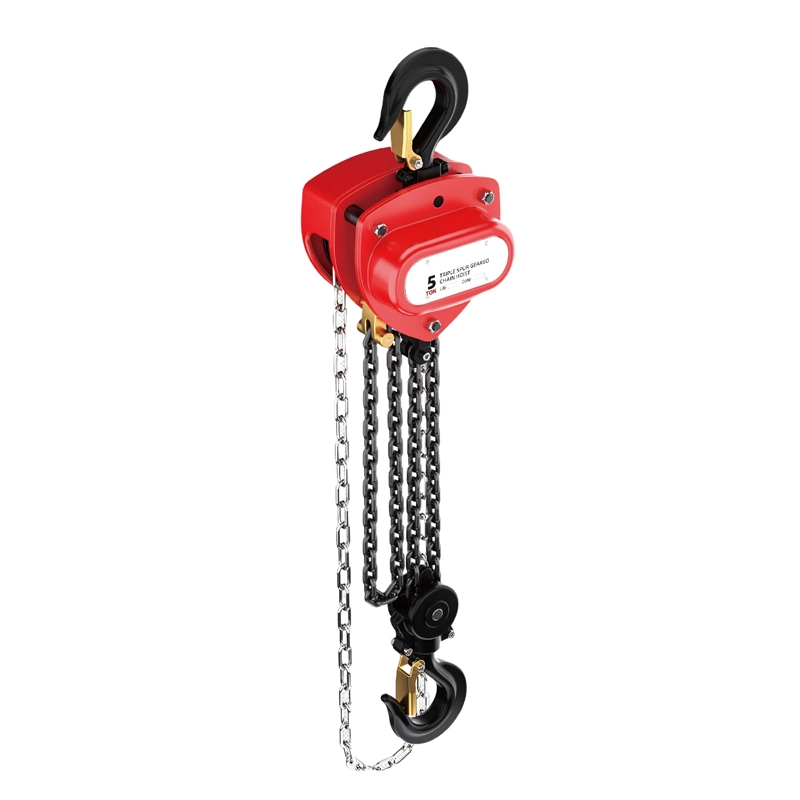
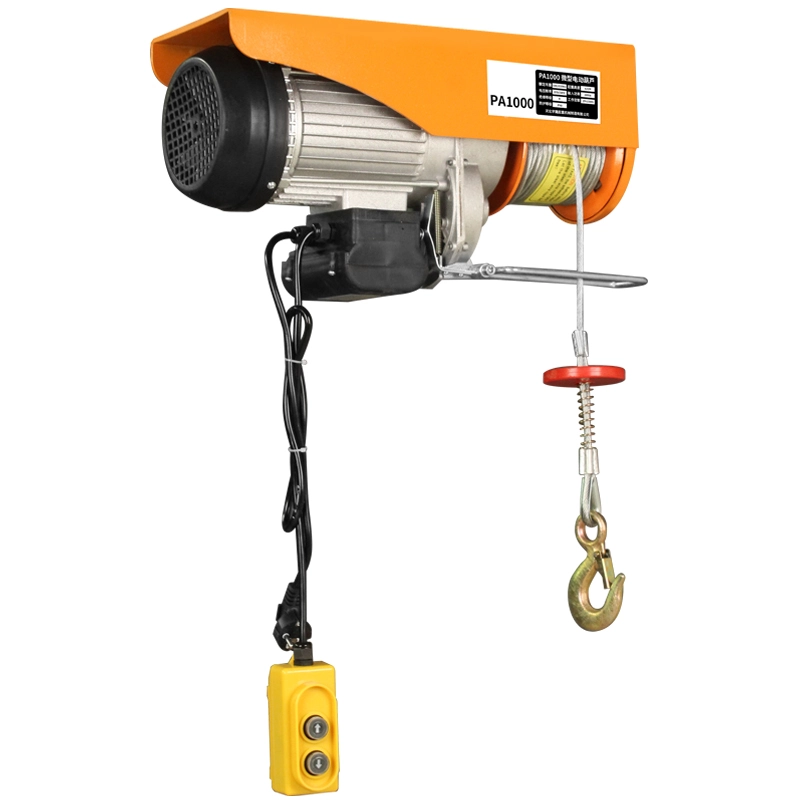
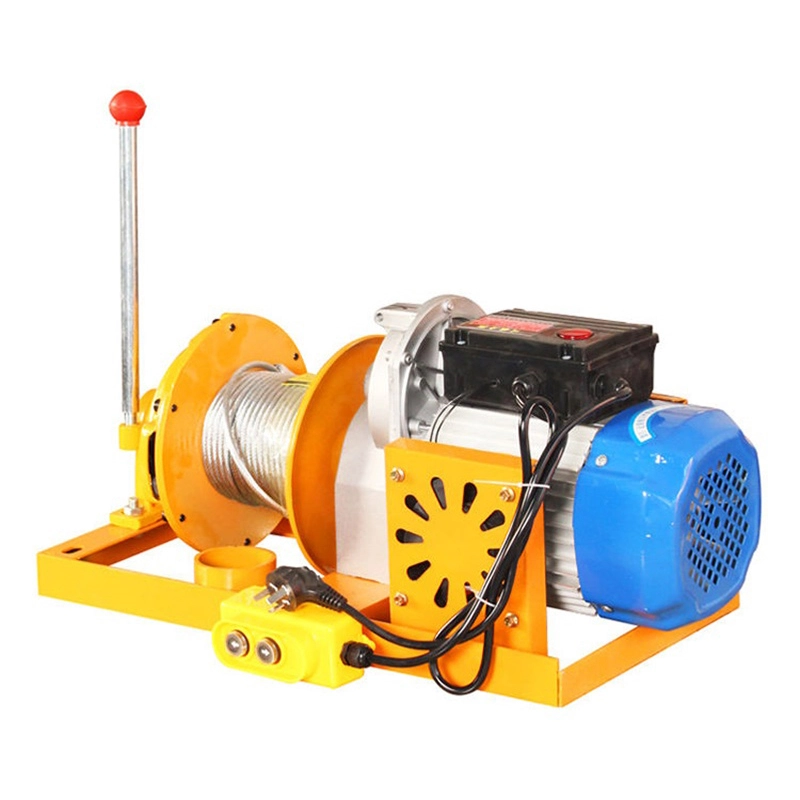
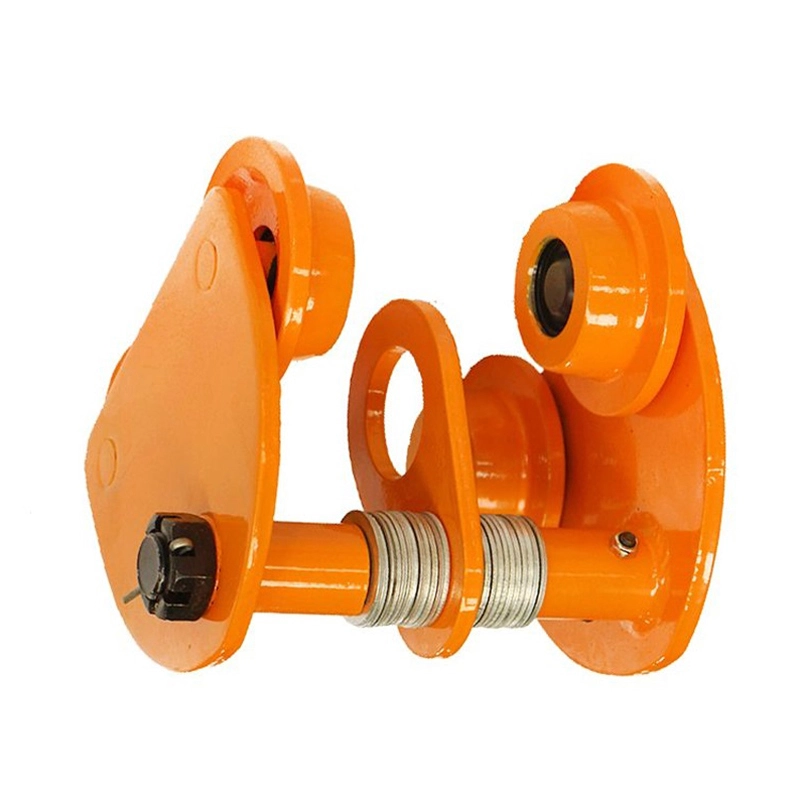
As one of the most professional chain block suppliers, Baoding Huaxin provides premium chain hoists (also called chain blocks, chain fall hoists, or chain pulleys), including manual chain hoist, electric hoist, winches, and trolleys. Our durable lifting solutions meet strict European standards, backed by 30+ years of expertise and rigorous quality control.
| Lifting Requirement | Recommended Solution | Why It Fits | Details to Confirm |
|---|---|---|---|
| Occasional maintenance or equipment installation | Manual Chain Hoist | Portable, economical and does not require electricity | Load capacity, lifting height, headroom and hand-chain length |
| Remote construction site without a reliable power supply | Manual Chain Hoist | Simple manual operation and convenient field use | Outdoor conditions, corrosion protection and storage requirements |
| Frequent lifting at a workshop or production station | Electric Chain Hoist | Faster lifting with less operator effort | Voltage, phase, frequency, duty cycle and lifting speed |
| Precise positioning during assembly | Dual-Speed Electric Chain Hoist | Slow speed provides better positioning control | Normal speed, slow speed, control method and load sensitivity |
| Long lifting height or overhead crane operation | Electric Wire Rope Hoist | Suitable for longer hook travel and frequent crane applications | Capacity, lifting height, rope reeving, speed and crane configuration |
| Limited vertical installation space | Low-Headroom Hoist Configuration | Maximizes usable hook travel below the beam | Available headroom, beam dimensions and trolley arrangement |
| Vertical lifting from a fixed point | Hook-Mounted Chain Hoist | Simple installation without horizontal travel equipment | Suspension point capacity and hook compatibility |
| Vertical lifting plus movement along a beam | Chain Hoist with Trolley | Allows the suspended load to travel horizontally | Beam flange width, trolley type, travel distance and turning radius |
| Stage, concert or entertainment lifting | Stage Electric Hoist | Designed for entertainment rigging and synchronized lifting applications | Control system, lifting direction, load monitoring and required standards |
| Pulling, tensioning or winding rather than normal vertical lifting | Hand or Electric Winch | Provides controlled rope or cable movement | Pulling direction, drum capacity, line speed and whether suspended lifting is permitted |
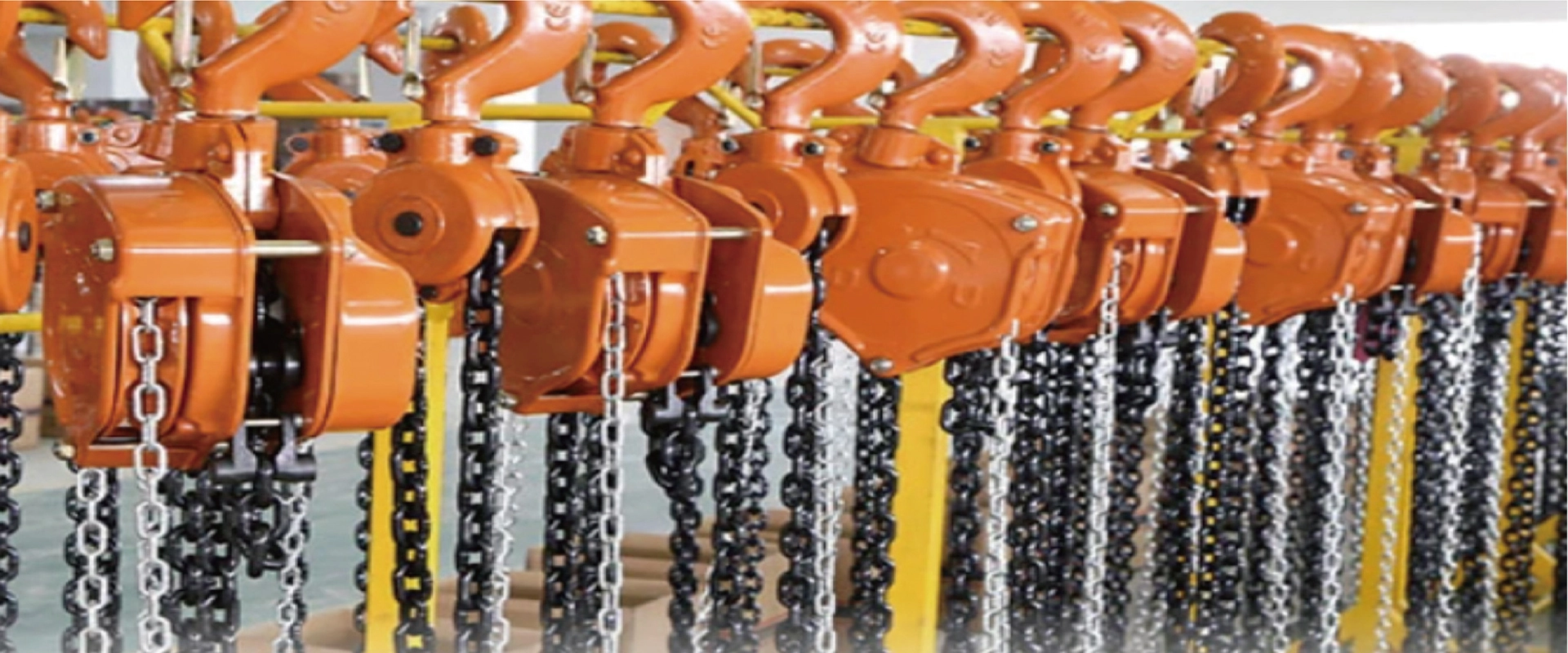

Equipped with state-of-the-art testing facilities and a skilled technical team, we ensure top-notch product performance and reliability.

Our products combine high quality, competitive pricing, and modern designs, making them ideal for construction, mining, and agriculture.

Widely recognized for reliability, our products evolve to meet changing economic and social demands, ensuring customer satisfaction.
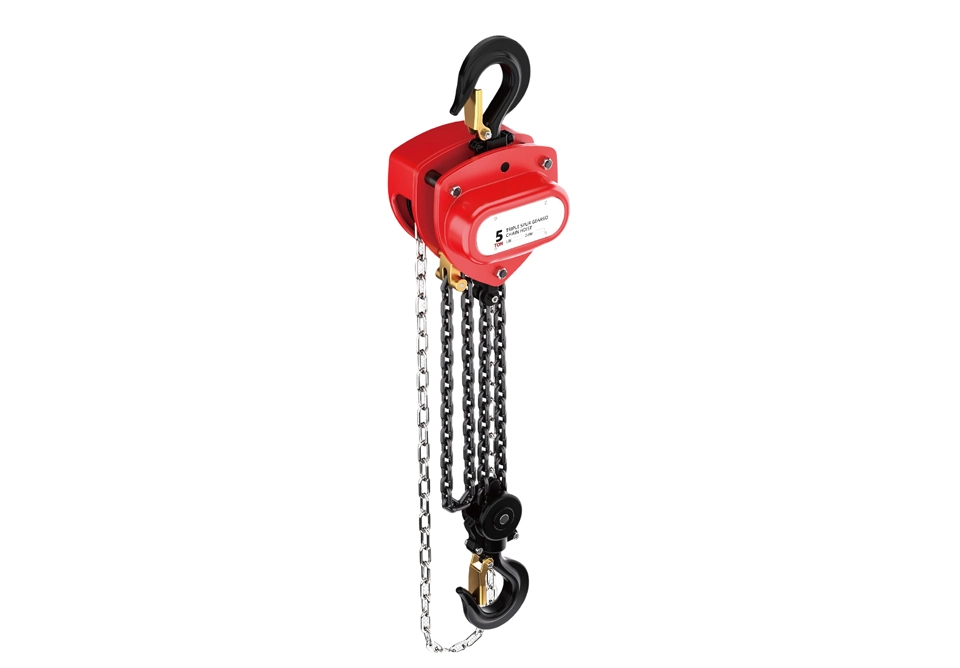
Chain hoists play a crucial role in modern industrial operations by enhancing efficiency, safety, and productivity. They are essential for lifting and moving heavy loads in manufacturing, construction, warehousing, and logistics. By reducing manual labor, chain pulley minimizes the risk of workplace injuries and improve operational speed.
Electric chain hoists, in particular, offer precise control and consistent performance, making them ideal for repetitive tasks and heavy-duty applications. Their versatility allows them to be used in various settings, from assembly lines to maintenance operations. Overall, chain hoists are indispensable tools that streamline industrial processes and contribute to a safer, more efficient work environment.
Choosing between chain hoist manual and electric chain hoists depends on your specific needs. Manual chain hoists are cost-effective, portable, and ideal for light to moderate lifting tasks. They require no power source, making them suitable for remote or outdoor locations. However, they demand more physical effort and are slower.
Electric chain hoists, on the other hand, offer faster and more efficient lifting with minimal physical strain. These are chain hoists perfect for heavy-duty, repetitive tasks and can handle higher loads. The downside is their higher cost and the need for a power supply.
Consider your budget, lifting requirements, and work environment to make the best choice.
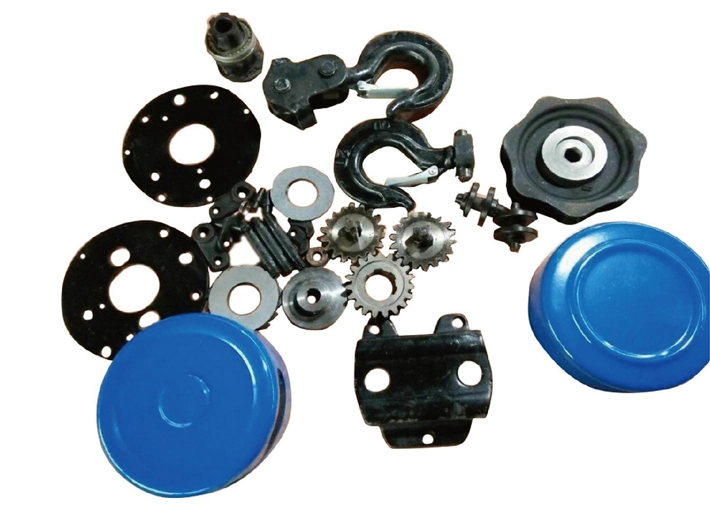

A manual chain hoist is operated by pulling a hand chain and does not require a power supply. It is portable, economical, and suitable for occasional lifting or locations without electricity. An electric hoist uses a motor to raise and lower the load, making it more suitable for frequent lifting, faster production cycles, and applications where reducing operator effort is important.
Start with the maximum actual weight of the load, including any lifting fixtures, slings, beams, or attachments. The hoist’s rated capacity must never be lower than the total suspended load. The supporting beam, trolley, anchor point, and rigging accessories must also have compatible working load limits. Load capacity should not be selected based on the average load if heavier lifts may occur.
These terms are often used for closely related lifting devices. “Chain block” and “chain fall” commonly refer to a hand-operated chain hoist, while “chain hoist” is a broader term that can include both manual and electric models. When requesting a quotation, specify whether you need a hand chain hoist, lever hoist, or electric chain hoist to avoid product-selection errors.
Yes. A chain hoist can be suspended from a fixed lifting point or combined with a plain, geared, or powered trolley for horizontal movement along a suitable beam. Trolley selection depends on the beam flange width, beam profile, rated load, available headroom, and required travel method. The complete hoist-and-trolley assembly should be checked for compatibility before installation.
Please provide the required load capacity, lifting height, available headroom, manual or electric operation, expected lifting frequency, installation method, and working environment. For electric models, also specify the local voltage, phase, frequency, lifting speed, and whether a motorized trolley is required. Information about temperature, humidity, dust, corrosion, or outdoor exposure will help determine whether additional protection is necessary.