
English
HEBEI MEIHEZHONGJI IMPORT&EXPORT TRADING CO.,LTD
EN
Lever Block Manufacturer

Lever Block Manufacturer

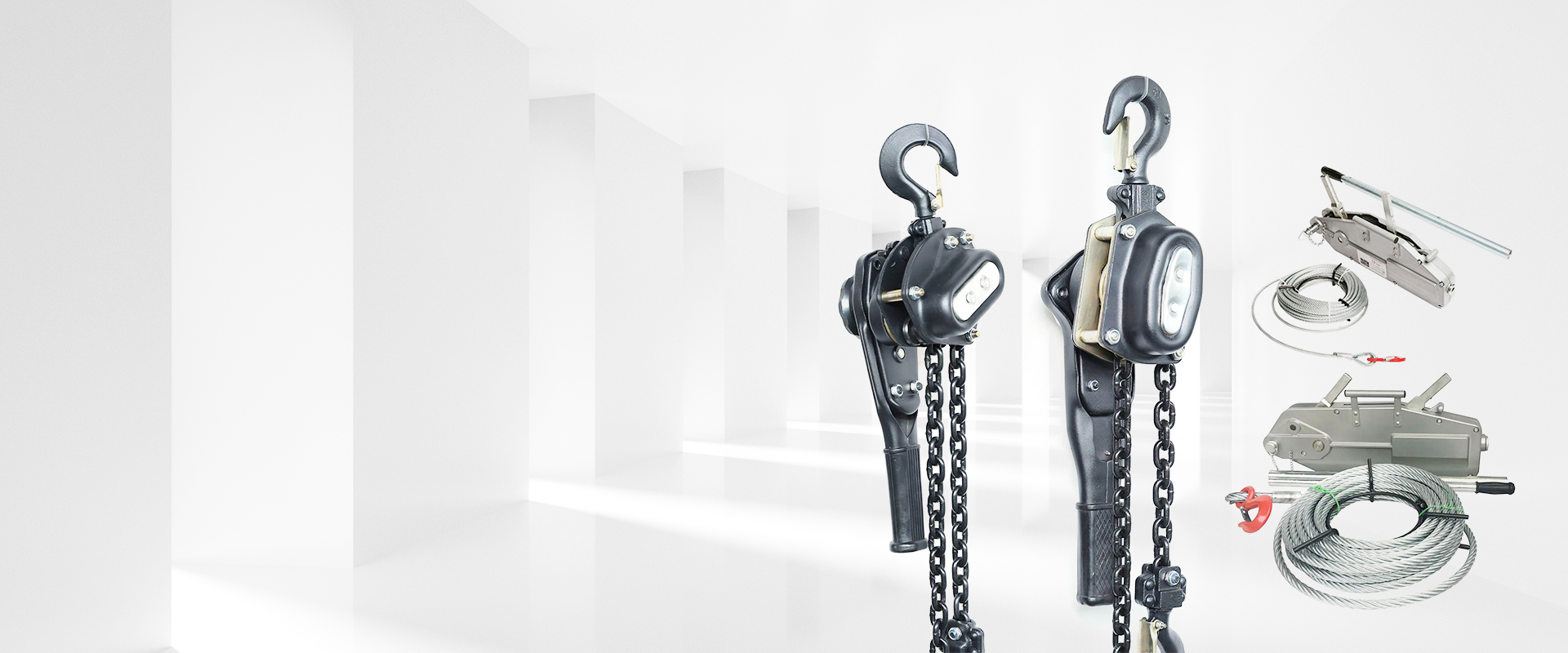
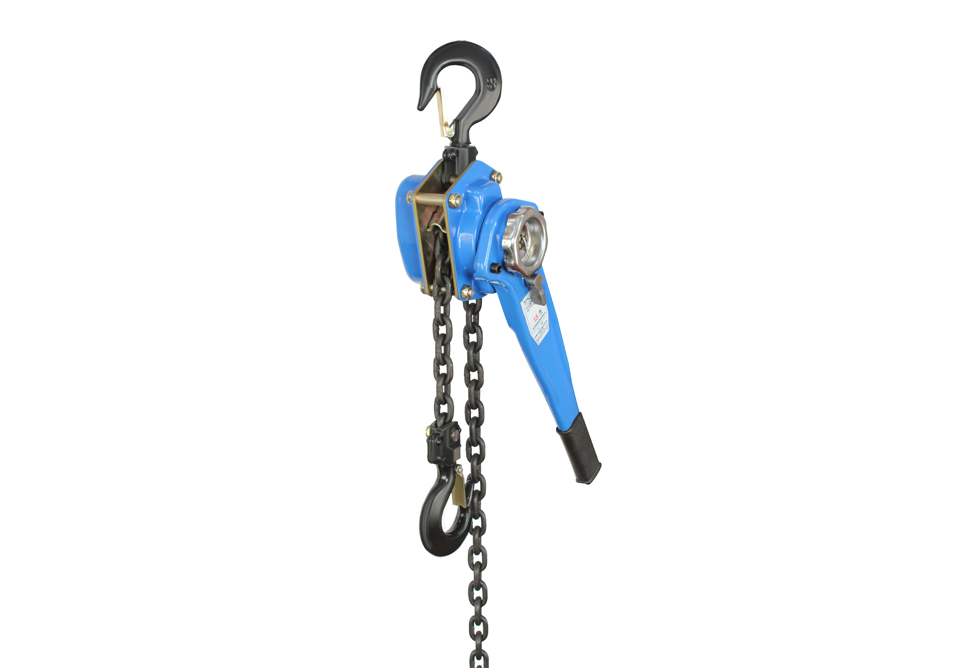
Baoding Huaxin supplies high-quality lever blocks (including ratchet lever blocks), featuring VT lever blocks, VA lever blocks, and wire rope lever blocks. Engineered for precision lifting, our durable solutions undergo strict testing to ensure safety and reliability in industrial applications. As one of the professional lever block manufacturers, our lever hoist chain block is built with durability and undergo rigorous testing to ensure maximum safety and reliability in various industrial applications. For detailed product information or to place an order, please contact us!

Contact us

Types of Lever Block Wholesale

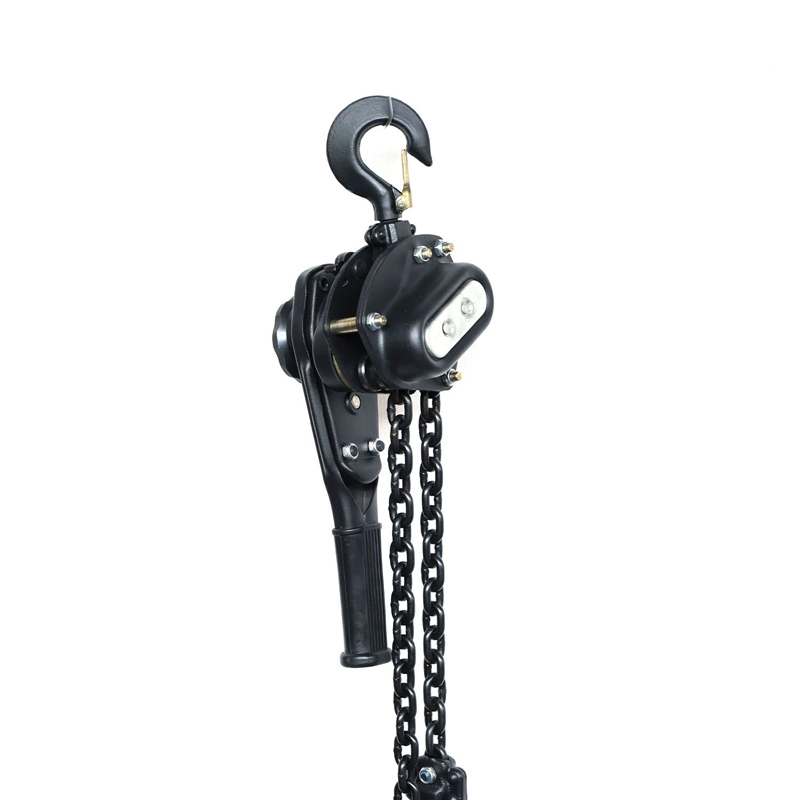
VT Lever Block

VT lever block is a manual lifting device designed for vertical load handling. Compact, lightweight, and easy to operate, it is ideal for workshops, warehouses, and construction sites, offering reliab...
Learn More
VT Lever Block

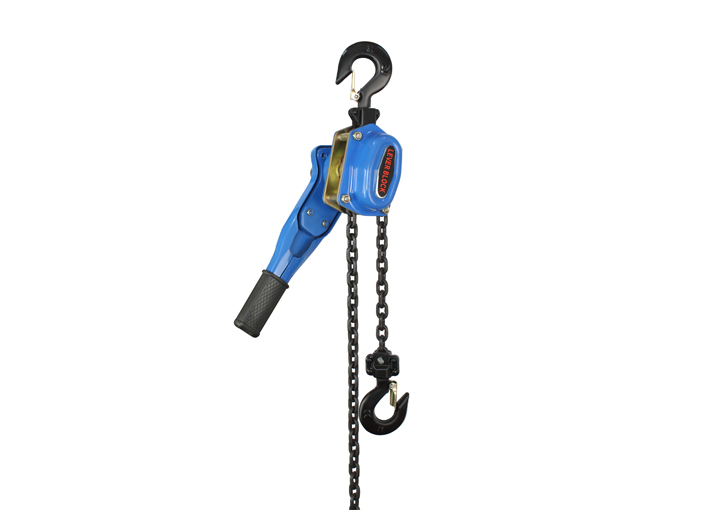
VA Lever Block

The VA lever block is a compact, lightweight lifting tool with a sturdy aluminum alloy shell and high-quality alloy steel internal parts, suitable for harsh environments and easy to maintain.
Learn More
VA Lever Block

Wire Rope Lever Block

It is a new and compact small size manual lifting tool. Light weight and firmed structure, widely used, convenient maintanence. The most attractive feature is can suit for outside and bad enviroment. ...
Learn More
Wire Rope Lever Block
Advantages and Disadvantages of Lever Block

Advantages and Disadvantages of Lever Block

  • Advantages of Lever Block
    Advantages of Lever Block
    • Easy to operate: Just pull the handle to easily lift, lower, or horizontally move heavy objects without the need for complex operating skills.

    • Easy to carry: Small in size and lightweight, convenient for carrying and transporting, can be used for various lifting tasks anytime and anywhere.

    • Wide application: It can be used not only for vertical lifting but also for horizontal pulling, suitable for various occasions such as construction, equipment installation, and cargo handling.

    • Safe and reliable: Equipped with a braking device, it can stop and lock the load at any time during operation, preventing accidental slipping and ensuring operational safety.
  • Disadvantages of Lever Block
    Disadvantages of Lever Block
    • Lifting speed is relatively slow: Relying on manual cranking, the lifting distance per crank is limited, so the lifting speed is relatively slow, making it unsuitable for time-sensitive tasks.

    • High labor intensity: Prolonged use of a manual hoist, especially when lifting heavy objects, requires significant physical effort, which can easily lead to operator fatigue.

    • Limited lifting capacity: Generally, the lifting capacity of a hand-operated hoist is relatively small, making it ineffective for lifting overweight objects.

The Difference Between a Chain Hoist and a Lever Block

Operation method: The hand chain hoist is driven by pulling the hand chain, and it needs to be pulled continuously during operation, which requires a lot of force. The lever block is to pull the handle and use the lever principle to transmit the power. The operation is relatively labor-saving and has more advantages in narrow spaces.


Functional characteristics: The hand chain hoist is mainly used for vertical lifting of heavy objects, and the lifting height is generally high. The lever block can not only lift vertically, but also excel in horizontal traction. It can flexibly position heavy objects in complex environments, but the lifting height is usually relatively low.


Carrying capacity: The carrying capacity of the hand chain hoist is generally between 0.5 tons and 30 tons, and there are many common specifications. The carrying capacity of the lever block is relatively small, generally not exceeding 50 tons, of which the wire rope hand lever hoist is usually below 3 tons.


Structural characteristics: The hand chain hoist has a slightly complex structure, with more gears, sprockets and brake devices to ensure safety. The lever block has a relatively simple structure, mainly composed of a handle, a transmission mechanism and a chain, which is easy to maintain.

The Difference Between a Chain Hoist and a Lever Block
Application Scenarios of Lever Block
bdhxqz

Application Scenarios of Lever Block

Electrical construction: In the installation and maintenance of power lines, a hand-operated hoist can be used to tighten or adjust the tension of overhead cables, ensuring that the height and tightness of the cables meet the requirements. It can also be used to lift small electrical equipment or tools, making it convenient for construction personnel to carry out installation and maintenance tasks.


Logistics and Warehousing: During the loading and unloading of goods, a manual hoist can lift goods from the ground to transport vehicles or shelves, and can also be used to move goods within the warehouse, achieving short-distance transportation and positioning. Especially for irregularly shaped or heavier goods, a manual hoist can flexibly lift and move them.


Construction and Renovation: On construction and renovation sites, hand-operated hoists can be used to lift building materials such as bricks and cement boards, and also assist in installing doors, windows, and curtain walls. In indoor renovations, they can be used to lift lighting fixtures, air conditioning units, and other equipment, making it easier for workers to install and adjust them.


Mechanical maintenance: In the maintenance and upkeep of machinery, a hand hoist can be used to disassemble or install components on the equipment, as well as to adjust the position and orientation of the equipment, making it easier for maintenance personnel to carry out inspection and maintenance work.

Contact Us
Contact Us
Get in Touch with Us Now!
Contact Info
Address
Donglv Village, Qingyuan District, Baoding City, Hebei, China
Request a Free Quote

Lever Block FAQs

What is the difference between a lever block and a hand chain hoist?

A hand chain hoist is mainly designed for vertical lifting from a fixed overhead point and is operated by pulling a continuous hand chain. A lever block is operated by moving a ratchet handle and can be used for lifting, pulling, tensioning, and positioning. Lever blocks are often more practical in confined spaces or where the load must be adjusted from different directions.

Can a lever block be used for horizontal pulling?

A lever block may be used for controlled horizontal pulling or tensioning when the product is designed for that application and is correctly rigged. The anchor point must be strong enough for the applied force, and the load chain should remain properly aligned with the hoist body. Avoid uncontrolled side loading across the hook throat or hoist housing, which can damage load-bearing components.

What is the free-chaining function on a lever hoist?

Free chaining allows the unloaded chain to be pulled quickly through the hoist so the hook can be positioned without repeatedly operating the handle. It should only be engaged when the chain is not supporting a load. Before lifting or pulling, return the selector to the correct operating position and confirm that the brake and ratchet mechanism engage properly.

Should I choose a chain lever block or a wire rope lever hoist?

A chain lever block is commonly used for short-range lifting, pulling, tensioning, and equipment positioning. A wire rope lever hoist can provide a longer pulling distance and may be more suitable for recovery, construction, or outdoor pulling tasks. Selection depends on capacity, travel distance, available anchorage, operating direction, environmental conditions, and required positioning accuracy.

What information is needed to select a lever block?

Specify the maximum load, required chain travel, lifting or pulling direction, available working space, anchor arrangement, and operating environment. Also explain whether the unit will be used mainly for vertical lifting, horizontal pulling, load tensioning, or machinery alignment. For frequent outdoor or corrosive use, additional information about rain, humidity, salt, dust, and temperature should be provided.