English
HEBEI MEIHEZHONGJI IMPORT&EXPORT TRADING CO.,LTD
EN
Electric Hoist Wholesale Manufacturer

Electric Hoist Wholesale Manufacturer

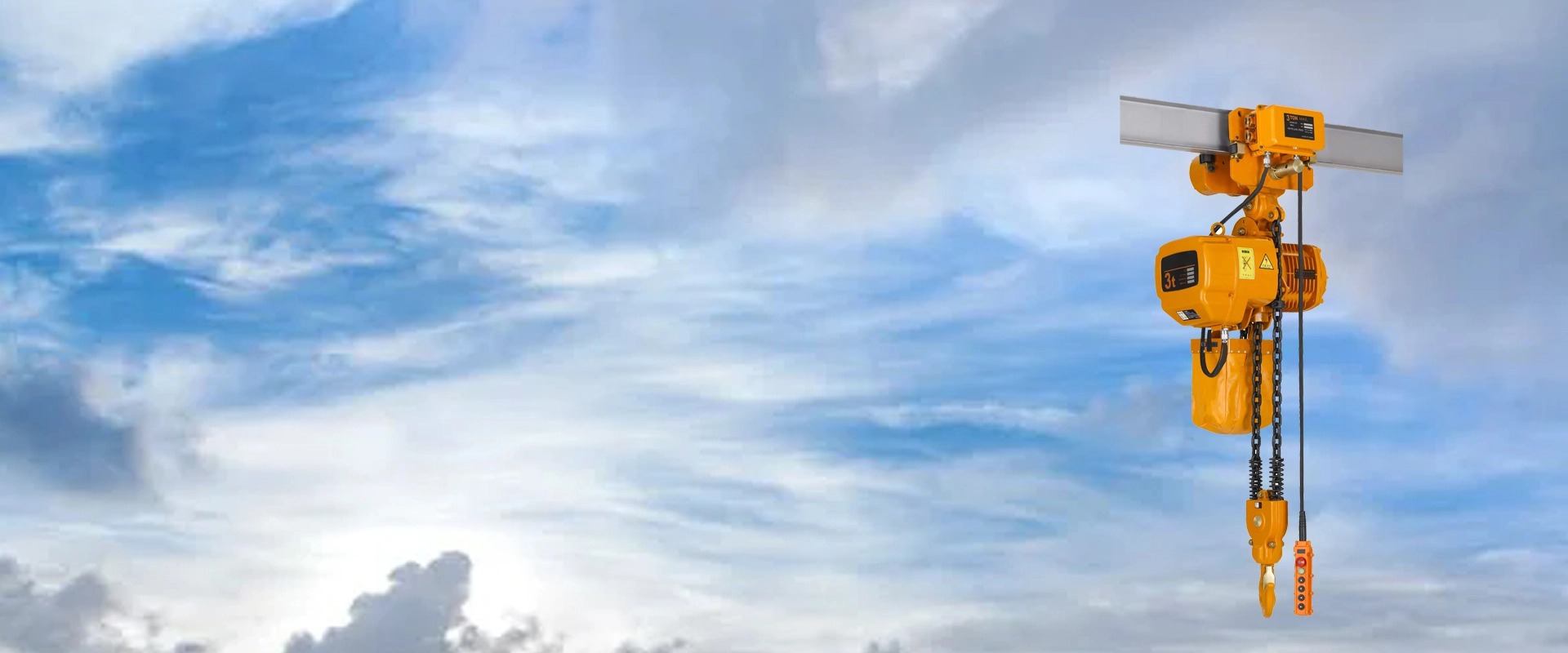
The electric lifting hoist uses an electric motor as its power core, and the speed is reduced by a reducer to drive the wire rope or chain to realize the lifting of the hook and the lifting of heavy objects. Compared with the manual hoist, it has higher operating efficiency, saves labor and is convenient. This electric cable hoist is often used in factory production lines, warehouse cargo handling, construction sites and other scenes, which can greatly improve the automation and safety of lifting operations. As one of the professional electric hoist manufacturers, Huaxin provides high-quality electric hoist for sale. For detailed product information or to place an order, please contact us!

Contact us

Types of Electric Hoist For Sale

PA Wire Rope Hoist

PA Wire Rope Hoist

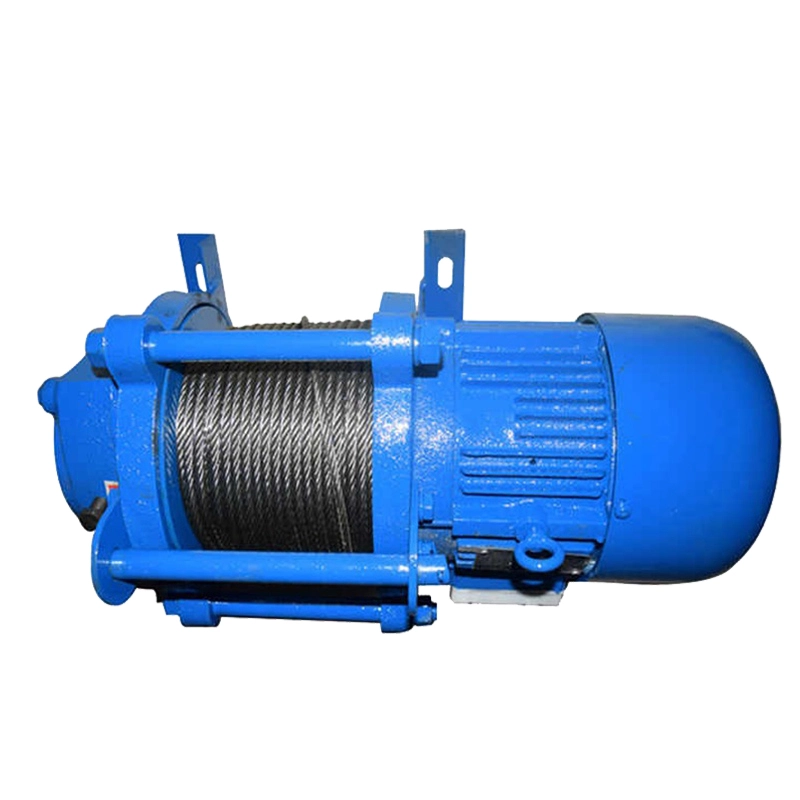
PA mini electric wire hoist, available in stationary and running types, can lift goods under 1200kg. It's simple, easy to install, uses single-phase power, and has a 30m rope at most. It can be wi...
Learn More
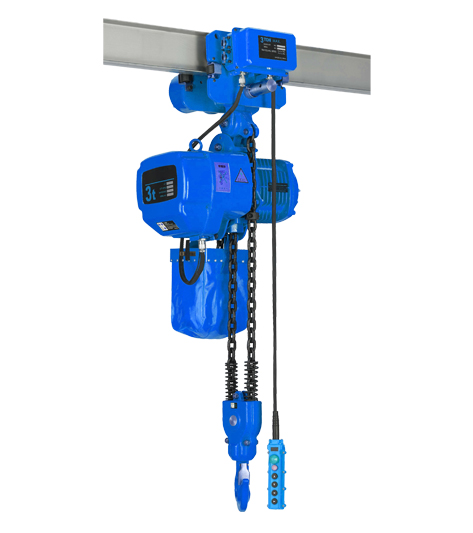
Electric Chain Hoist

Electric Chain Hoist

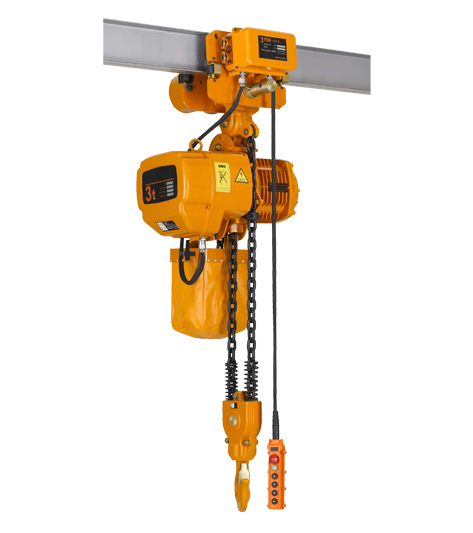
HHBB Electric chain hoist is typical of unique optimal structure in shortening the distance between the machine body and the beam tracks, applicable to operations in side low buildings, especially sui...
Learn More
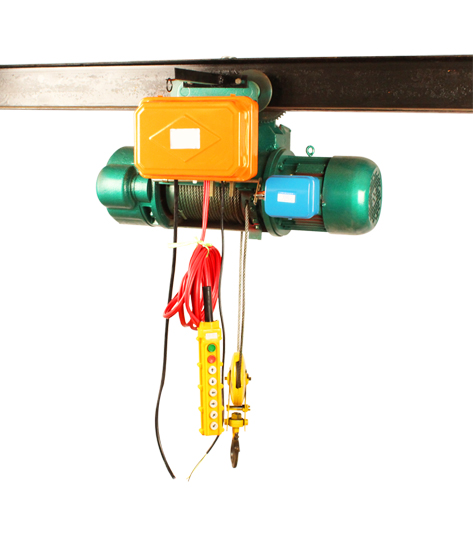
CD/MD Electric Wire Rope Hoist

CD/MD Electric Wire Rope Hoist

CD1/MD1 type electric hoist has the characteristics of compact structure, light weight, small size, convenient operation, etc. CD1 type is single-speed while MD1 type has dual speed. It can be install...
Learn More
Stage Electric Hoist

Stage Electric Hoist

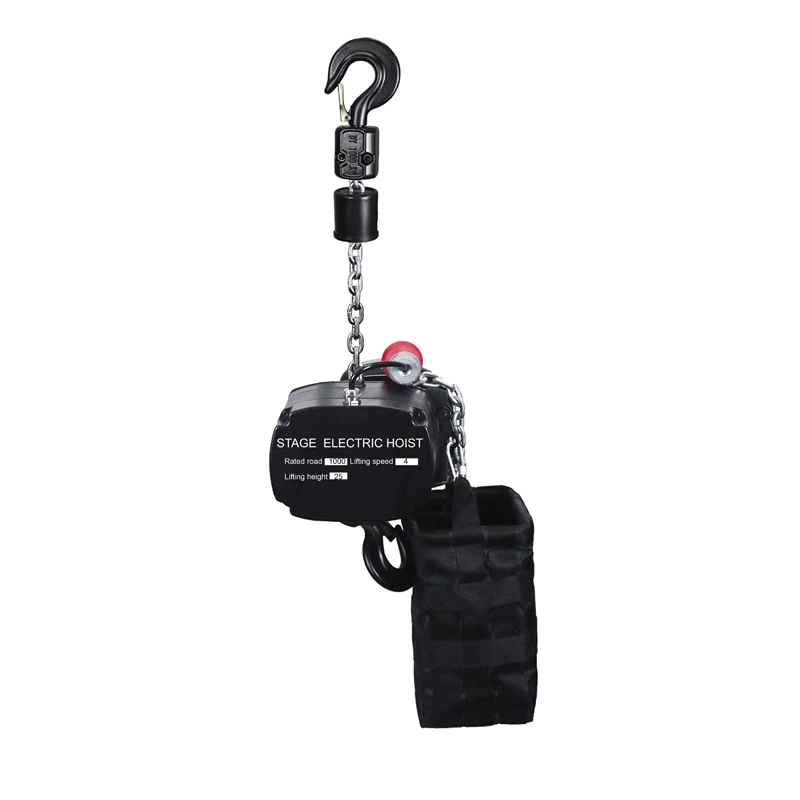
The DY model stage electric hoist is engineered for smooth and reliable performance, making it a trusted choice for stage applications. It features a robust design with high load capacity, ensuring du...
Learn More

Electric Hoist Selection Table

Use the table below to compare electric hoist types according to load capacity, lifting frequency, available power supply, lifting height, positioning requirements and installation method.

Lifting Requirement or ApplicationRecommended Electric HoistWhy It FitsKey Details to Confirm
Lifting light goods in a home workshop, small warehouse or retail facilityPA Mini Electric Wire Rope HoistCompact, easy to install and suitable for light-duty lifting with single-phase powerMaximum load, single- or double-line capacity, lifting height, voltage and fixed or running type
Handling loads up to approximately 1,200 kg where three-phase industrial power is unavailablePA Mini Electric Wire Rope HoistDesigned for lighter loads and can operate with a commonly available single-phase power supplyActual suspended load, required rope length, duty frequency and mounting structure
Frequent lifting in workshops, warehouses or assembly stationsElectric Chain HoistProvides faster lifting than manual equipment and is suitable for repetitive vertical handlingCapacity, lifting height, lifting speed, duty cycle, voltage and control method
Limited headroom below a beam or inside a low buildingElectric Chain HoistIts compact structure can reduce the distance between the hoist body and the beamAvailable headroom, hook-to-hook distance, beam size and trolley arrangement
Precise positioning of machinery, molds or componentsDual-Speed Electric Chain Hoist or MD Electric Wire Rope HoistA slower secondary speed provides better control during final positioningNormal speed, low speed, load sensitivity, control voltage and positioning accuracy
Longer lifting height in a factory or construction environmentCD/MD Electric Wire Rope HoistWire rope hoists are commonly selected for longer hook travel and industrial crane applicationsRequired lift, rope reeving, drum capacity, capacity, speed and duty class
General-purpose single-speed lifting on an overhead crane or gantry craneCD Electric Wire Rope HoistSingle-speed operation provides a practical solution for straightforward lifting tasksCapacity, lifting height, travel system, beam dimensions and operating frequency
Applications requiring normal-speed lifting and slow-speed positioningMD Electric Wire Rope HoistDual-speed operation combines efficient lifting with more controlled load placementMain lifting speed, slow speed, control system and number of starts per hour
Horizontal movement of a suspended load along an I-beamElectric Hoist with Electric TrolleyCombines powered lifting with powered horizontal travel for higher handling efficiencyBeam flange width, travel distance, trolley speed, curve radius and power supply
Occasional horizontal travel over a short beam distanceElectric Hoist with Plain or Geared TrolleyProvides a more economical option when powered trolley travel is unnecessaryLoad weight, beam dimensions, travel frequency and preferred manual travel method
Stage productions, concerts, theaters or entertainment riggingStage Electric HoistDeveloped for controlled stage lifting and rigging applicationsLoad capacity, lifting direction, chain travel, control system and synchronization requirements
Multiple hoists operating together for stage structures or lighting trussesStage Electric Hoist with Group ControlSupports coordinated lifting when several suspension points must move togetherNumber of hoists, control channels, synchronization, emergency stop and load distribution
High-frequency industrial production with repeated starts and stopsIndustrial Electric Chain Hoist or CD/MD Wire Rope HoistIndustrial models can be selected according to the required operating duty and load spectrumStarts per hour, running time, average load, shifts per day and motor duty rating
Outdoor, humid, dusty or corrosive working conditionsEnvironment-Specific Electric Hoist ConfigurationThe hoist can be selected with protection appropriate to the operating environmentTemperature, humidity, rain exposure, dust, chemicals, corrosion and required enclosure protection
Lifting in an area containing flammable gas, vapor or combustible dustSpecially Designed Explosion-Proof HoistStandard electric hoists should not be assumed suitable for hazardous locationsHazardous-area classification, gas or dust group, temperature class and local certification requirements

Quick Electric Hoist Selection Guide

  • Choose a PA mini electric wire rope hoist for lighter loads, occasional use and locations with single-phase electricity.

  • Choose an electric chain hoist for compact installation, frequent workshop lifting and short-to-medium lifting heights.

  • Choose a CD electric wire rope hoist for general industrial lifting where one lifting speed is sufficient.

  • Choose an MD electric wire rope hoist when slow-speed positioning is required in addition to normal lifting speed.

  • Choose a stage electric hoist for entertainment rigging, lighting trusses, stage structures and coordinated multi-hoist lifting.

The rated capacity of the selected electric hoist must cover the complete suspended load, including the load itself, slings, lifting beams, clamps and other below-the-hook attachments. The supporting beam, trolley and suspension structure must also have adequate load ratings.

For an accurate quotation, please provide the required capacity, lifting height, available headroom, voltage, phase, frequency, lifting speed, operating frequency, beam dimensions, trolley requirements and working environment.


Which is More Labor-Saving, a Manual Chain Hoist or an Electric Hoist?

Electric lifting hoists are more labor-saving than manual chain hoists.


Manual chain hoists are mainly driven by manpower, and the gears are driven by hand-pulling chains to drive the weight up. During the lifting process, the operator needs to continuously pull the chain with force, and the pulling force must overcome the gravity of the weight. If the weight is heavy, the pulling force required is large, and long-term operation will make the operator feel very strenuous, easily fatigued, and the work efficiency is also low.


Electric cable hoists use electric motors as power sources. After the motor is powered on, it generates torque, and through transmission devices such as reducers, the power is transmitted to the wire rope or chain, thereby driving the hook to lift the weight. The operator only needs to press the control button, and the electric hoist can automatically complete the lifting action without directly applying a lot of force. Even if lifting heavier objects, electric lifting hoists can complete the task more easily with the power of the motor and the design of the transmission system, which greatly reduces the labor intensity of the operator, improves work efficiency, and has obvious advantages in labor saving.

Which is More Labor-Saving, a Manual Chain Hoist or an Electric Hoist?

What are the Main Applications of Electric Hoists?

Electric hoist is highly efficient, labor-saving, and precise, and is widely used in a variety of scenarios:


Industrial production: On the production line of the factory, electric hoists can be used to lift raw materials, semi-finished products, and finished products to achieve rapid transfer of materials between different workstations. For example, in a machinery manufacturing workshop, large parts are lifted to the side of the processing equipment; in an automobile manufacturing plant, they are used to move heavy parts such as automobile engines.


Warehousing and logistics: In the warehouse, electric hoists can be used with shelves to carry out the entry and exit of goods, and can quickly lift the goods and accurately place them in the designated location to improve the efficiency of warehousing operations. Electric lifting hoists are also commonly used in logistics distribution centers to load and unload goods, especially for heavy goods, which electric lifting hoists can easily handle.


Construction: On construction sites, electric hoists can be used to lift building materials such as steel, cement boards, etc., and can also be used to install building components such as prefabricated wall panels, roof trusses, etc. Its precise control performance helps to accurately install components during high-altitude operations and ensure construction quality and safety.

What are the Main Applications of Electric Hoists?

How to Choose an Electric Lifting Hoist?

To choose an electric pulley hoist that suits you, you need to consider the following key factors:


Lifting capacity: Choose according to the maximum weight that needs to be lifted. Generally, the lifting capacity of electric lifting hoists ranges from 0.5 tons to 100 tons. Make sure that the rated lifting capacity of the selected electric hoist is greater than or equal to the actual maximum lifting capacity to ensure safety and normal use.


Lifting height: Determined according to the height that needs to be lifted in the work scene. Common lifting heights are 6 meters, 9 meters, 12 meters, etc. Higher lifting heights can also be customized under special circumstances. A certain margin needs to be reserved to meet the maximum lifting requirements in actual work.


Working environment: If you work in a humid, dusty or corrosive gas environment, you should choose an electric lifting hoist with a corresponding protection level. For example, explosion-proof electric hoists are suitable for places with flammable and explosive gases, and anti-corrosion electric hoists are suitable for corrosive environments such as chemicals.


Operation speed: Select the appropriate operation speed according to the work efficiency requirements. Generally, there are normal speed and double speed. The double-speed electric chain fall hoist can use low speed for precise positioning to improve the accuracy and safety of the work.

How to Choose an Electric Lifting Hoist?
Contact Us
Contact Us
Get in Touch with Us Now!
Contact Info
Address
Donglv Village, Qingyuan District, Baoding City, Hebei, China
Request a Free Quote

Electric Hoist FAQs

Should I choose an electric chain hoist or an electric wire rope hoist?

Electric chain hoists are compact and well suited to workshops, assembly stations, warehouses, and moderate lifting heights. Wire rope hoists are often selected for longer lifting distances, higher operating speeds, larger capacities, or crane systems with frequent duty. The decision should be based on load, lifting height, headroom, duty cycle, positioning requirements, travel system, and working environment.

What voltage information is required when ordering an electric hoist?

Specify the voltage, phase, and frequency available at the installation site, such as single-phase or three-phase power. The control voltage and plug or cable requirements should also be confirmed. Electrical specifications vary by country and workplace. Ordering an incompatible motor configuration may cause poor performance, overheating, installation delays, or the need for additional electrical equipment.

What does duty cycle mean for an electric hoist?

Duty cycle describes how frequently and intensively a hoist is designed to operate. It considers factors such as starts per hour, running time, load spectrum, and average lifting distance. A hoist used occasionally for maintenance has different requirements from one operating repeatedly on a production line. Selecting only by rated capacity while ignoring duty cycle can lead to overheating and premature component wear.

Do I need a single-speed or dual-speed electric hoist?

Single-speed operation is suitable for straightforward lifting where fast, precise positioning is not critical. Dual-speed operation provides a normal lifting speed for productivity and a slower speed for controlled positioning during installation, assembly, or alignment. Buyers should also consider whether variable-frequency control is required. The best option depends on positioning accuracy, load sensitivity, workflow, and budget.

What safety and installation details should be confirmed before purchase?

Confirm the suspension method, beam dimensions, trolley type, available headroom, upper and lower travel limits, control method, power cable arrangement, and required protection level. Depending on the application, buyers may also need overload protection, emergency stop controls, thermal protection, limit switches, or special environmental protection. Installation and load testing should follow the manufacturer’s instructions and applicable local regulations.