Email Us
export@bdhxqz.com
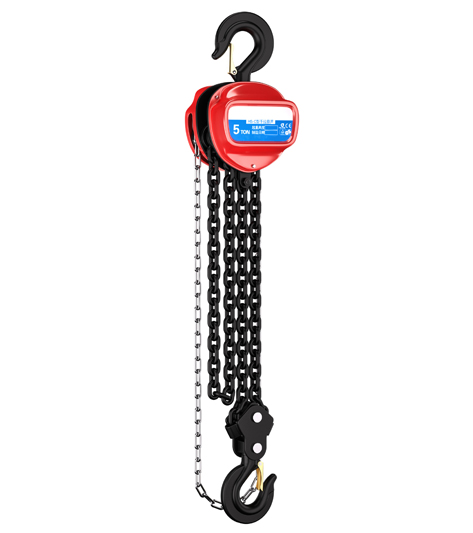
HSZ Chain Hoist
More labor saving, low noise, Light in Weight; Compact structure, Forged drop Hook, Ratchet type brake warrants, safe and dependable operation.



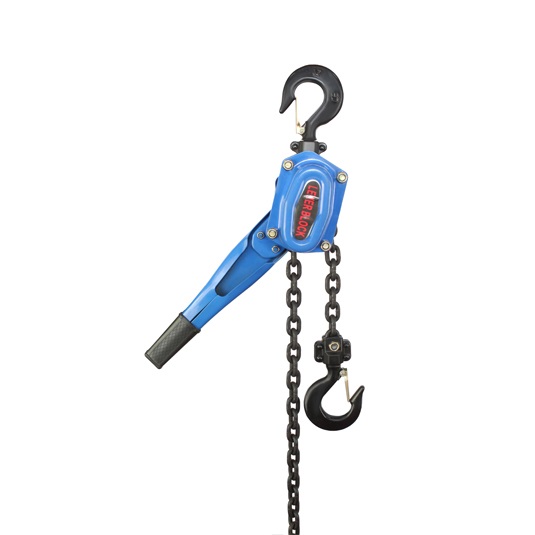
Manual chain hoist is a light and small lifting equipment, which relies on human power to pull the chain to drive the gear transmission system to achieve the lifting of heavy objects. It has a compact structure, is easy to carry, and can be operated without electricity. This manual hoist is suitable for small equipment installation, short-distance lifting of goods, simple household lifting and other scenes. Manual lever chain hoists are widely used in the power, construction, maintenance and other industries. It is an economical and practical lifting tool.


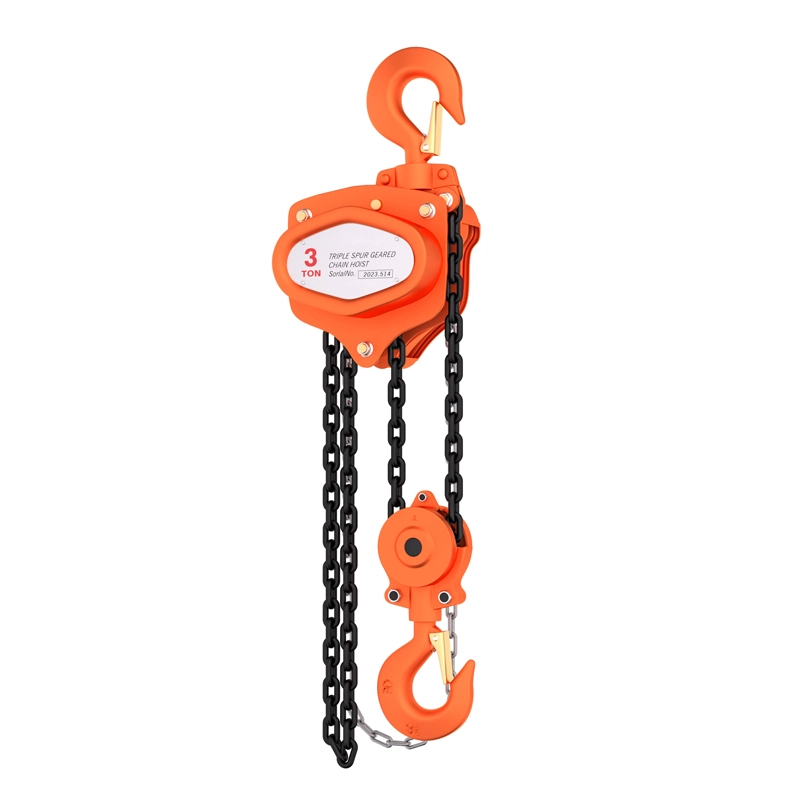
Manual chain hoists are mainly used in the following scenarios:
Small warehouses and logistics: In small warehouses, for some light goods with low lifting height, manual chain hoists can be flexibly lifted over short distances to facilitate loading, unloading and stacking of goods. At small logistics distribution sites, they can also be used to lift and unload goods from transport vehicles, or to adjust the position of goods in warehouses.
Homes and small repair shops: Manual chain hoists can play a role in lifting small heavy objects in homes, such as small furniture, air conditioner outdoor units, etc. for installation or transportation. When repairing some mechanical equipment, small repair shops can use these hand chain hoists to lift parts for easy maintenance operations. Its small size and simple operation method make it easy to use in places with limited space.
Local operations at construction sites: In some local small operation areas of construction sites, such as the installation of small building components and the short-distance lifting of some light building materials, these hand chain hoists can rely on their portability and flexibility to complete lifting tasks in places where there is no power supply or where large lifting equipment is difficult to reach.
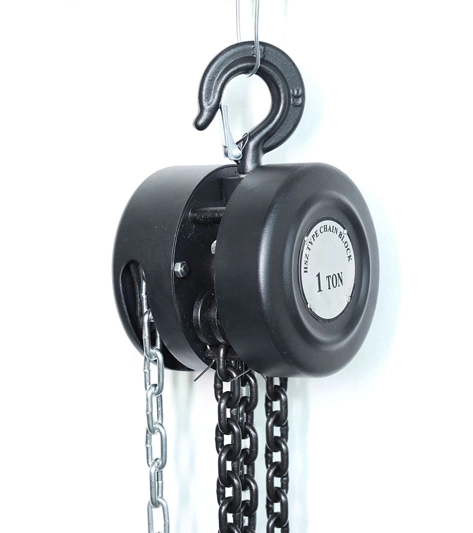
In daily life, hand hoists also have a certain place to use. For example, when moving, you can use it to lift some heavier furniture, such as pianos, large wardrobes, etc., to avoid damage and difficulties that may be caused by manual handling. In some small decoration projects, hand operated chain hoists can be used to lift decoration materials to a higher position, which is convenient for construction workers to carry out wall decoration, ceiling ceiling and other operations.
The manual chain hoist is mainly composed of sprockets, hand chain, planetary gear device, lifting chain and upper and lower hooks. Its working principle is to manually drive the chain and use the planetary gear transmission system to achieve the lifting and lowering of heavy objects. The specific process is as follows:
Lifting heavy objects: When the hand chain on the active sprocket is pulled, the hand chain wheel rotates, and the planetary gear frame is driven to rotate through the friction plate, ratchet, brake seat, etc. The planetary gear revolves around the fixed center wheel, and at the same time drives the lifting sprocket to rotate, so that the lifting chain rises, thereby lifting the heavy object.
Lowering heavy objects: Pull the hand hoist chain in the opposite direction, the brake opens, and the heavy object reverses the lifting sprocket under the action of gravity, and the planetary gear frame also reverses accordingly. The hand chain wheel rotates under the action of friction, so that the heavy object slowly descends.
Braking principle: During the lifting or lowering process, when the hand chain stops pulling, the brake will immediately take effect, and the friction between the friction plate and the ratchet will prevent the planetary gear frame from rotating, so that the heavy object stays in the current position, preventing it from sliding down due to its own weight, and ensuring safe operation.
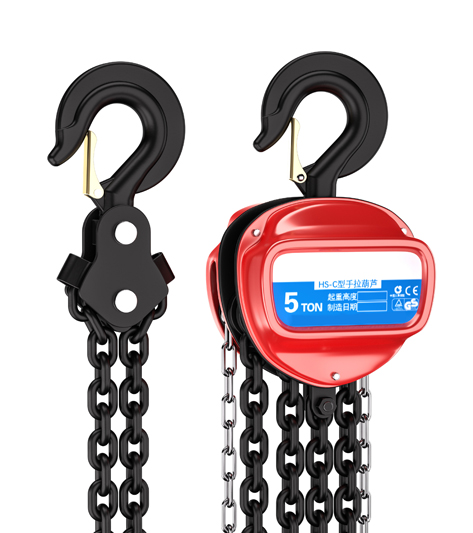
Choosing a manual chain block that suits you requires comprehensive consideration of many factors.
Carrying capacity
Choose according to the maximum weight that needs to be lifted, and leave a certain safety margin. It is generally recommended to choose a manual chain hoist with a carrying capacity 20% - 30% higher than the maximum lifting weight to ensure safe use. For example, if you often need to lift a 1-ton weight, it is more appropriate to choose a manual chain hoist with a carrying capacity of 1.2 - 1.3 tons.
Lifting height
Determined according to the height of the heavy object that needs to be lifted in the work scene, the general lifting height has 2 meters, 3 meters, 6 meters and other specifications, and higher lifting heights can be customized for special occasions. It should be noted that the higher the lifting height, the price of the manual chain hoist will increase accordingly, so it should be selected according to needs to avoid unnecessary cost waste.
Working environment
If used in a humid, dusty or corrosive gas environment, a manual chain hoist with rust and corrosion resistance should be selected, such as stainless steel or products with special surface treatment. If used in a narrow space, you can choose a manual chain hoist with a smaller size and compact structure for easy operation and installation.