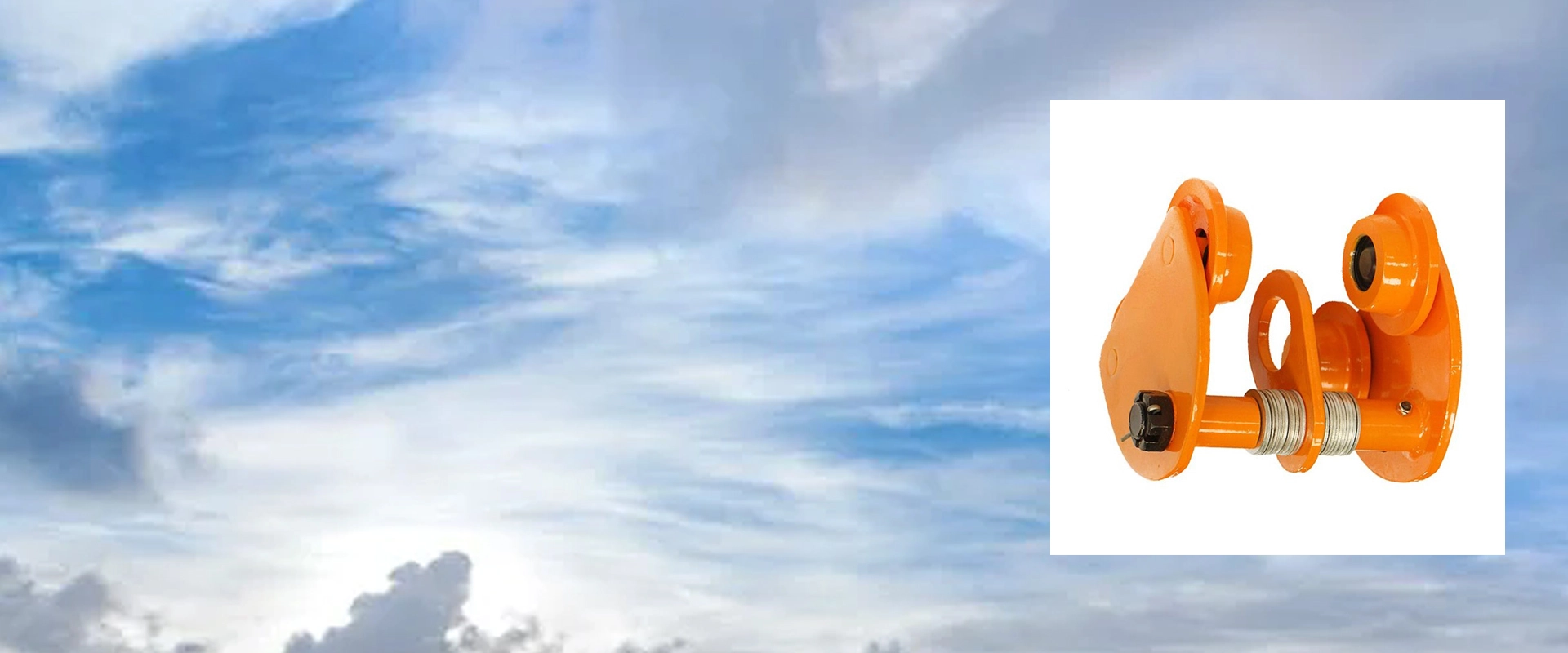
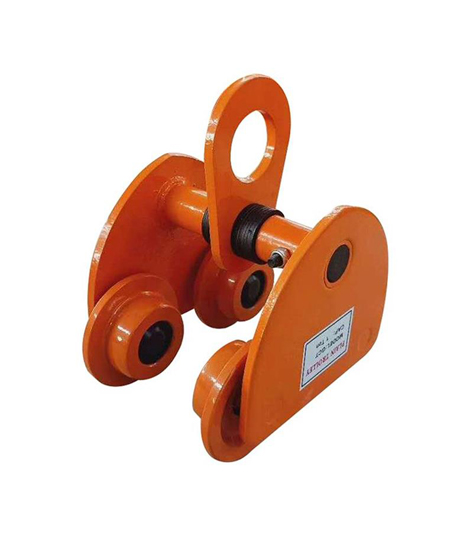
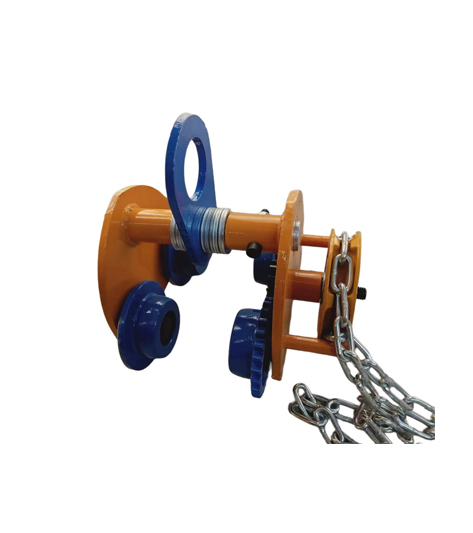
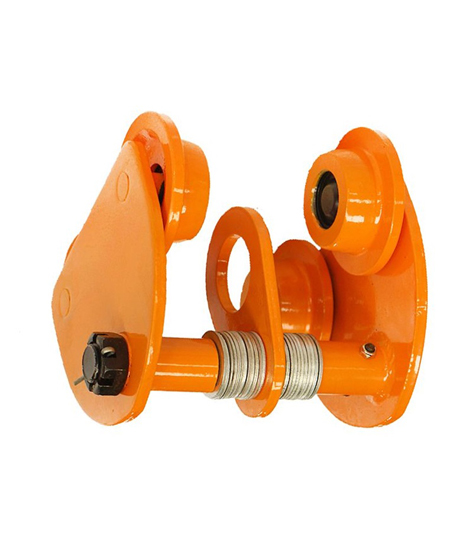
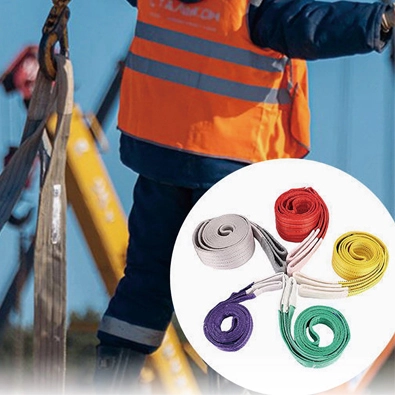
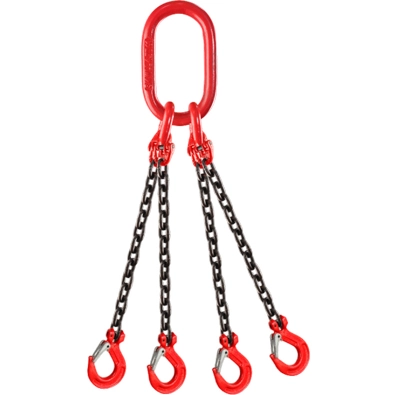
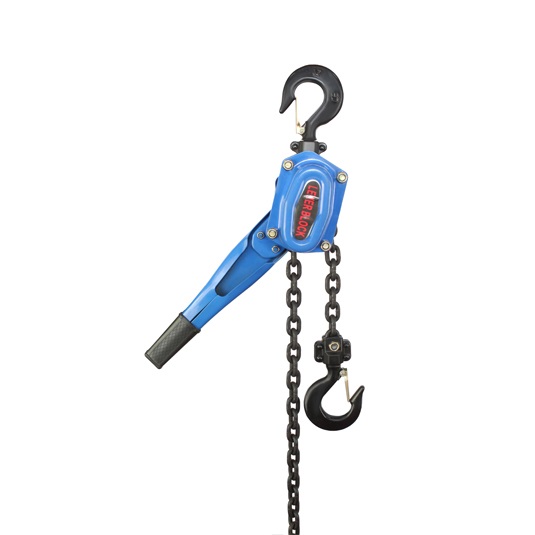
The chain trolley, with its lightweight, flexible, and easy-to-operate characteristics, plays a role in many scenarios:
Small warehouses and shops: Small warehouses have limited space, frequent and lightweight goods handling. The combination of trolleys and manual hoists can move flexibly along the I-beam tracks in the warehouse, achieving efficient loading, unloading, and stacking of goods; small shops can also easily handle short-distance lifting and positioning of inventory items.
Small processing workshops: In small mechanical processing workshops, trolleys can lift processing components and assist with loading and unloading from machine tools; in workshops for hardware, wood processing, etc., they can quickly meet the material transportation needs within the workshop for lighter workpieces, thanks to their low cost and easy installation.
Temporary construction sites: In small construction areas on building sites, such as setting up temporary buildings and installing small facilities, trolleys are easy to carry and install. They can lift lightweight construction materials, ensuring the smooth progress of small construction tasks when large lifting equipment or power supply is insufficient.
Regular cleaning: Wipe the various parts of the electric trolley with a clean cloth frequently to remove dust, oil and debris to prevent them from entering the machine and affecting normal operation. Pay special attention to cleaning the tracks and running wheels to ensure that the contact surface between them is clean and smooth to reduce friction.
Check parts: Regularly check the key parts of the trolley, such as running wheels, hooks, chains, etc. Check the wear of the running wheels. If the wear is serious, it needs to be replaced in time to avoid affecting the running stability of the sports car; check whether the hook has defects such as deformation and cracks to ensure its carrying capacity; at the same time, check the tightness and wear of the chain, and adjust or replace it in time if there is any problem.
Lubrication and maintenance: Apply an appropriate amount of lubricating oil or grease to the moving parts of the trolley, such as the bearings and chains of the running wheels, to reduce friction, reduce wear and ensure its flexible operation. Be careful not to drip lubricating oil onto the track to avoid affecting the friction between the running wheel and the track.
When using a trolley, safety regulations must be strictly followed to ensure safe operation:
Pre-use inspection: Check all parts of the trolley, such as hooks, chains, running wheels, etc., to see if there are any deformation, cracks, wear and other problems. The chain tightness must be moderate and the running wheels must rotate flexibly. At the same time, check whether the track is flat and stable, whether there are any obstacles or deformations, and ensure that there are no safety hazards before use.
Standard operation: It is strictly forbidden to use overload, and the trolley must be hoisted strictly in accordance with the rated load; during operation, the chain should be pulled slowly and steadily to avoid pulling and yanking to prevent the trolley from shaking and derailing due to uneven force; when multiple people operate, unified command is required to ensure consistent movements to avoid dangers caused by uncoordinated operations.
Maintenance after use: After the operation is completed, park the trolley in the designated location, clean up the debris and oil stains on each component, and lubricate and maintain the key parts. Regularly conduct a comprehensive inspection and maintenance of the trolley, repair or replace parts in time if problems are found, and it is strictly forbidden to let the equipment work "with illness".