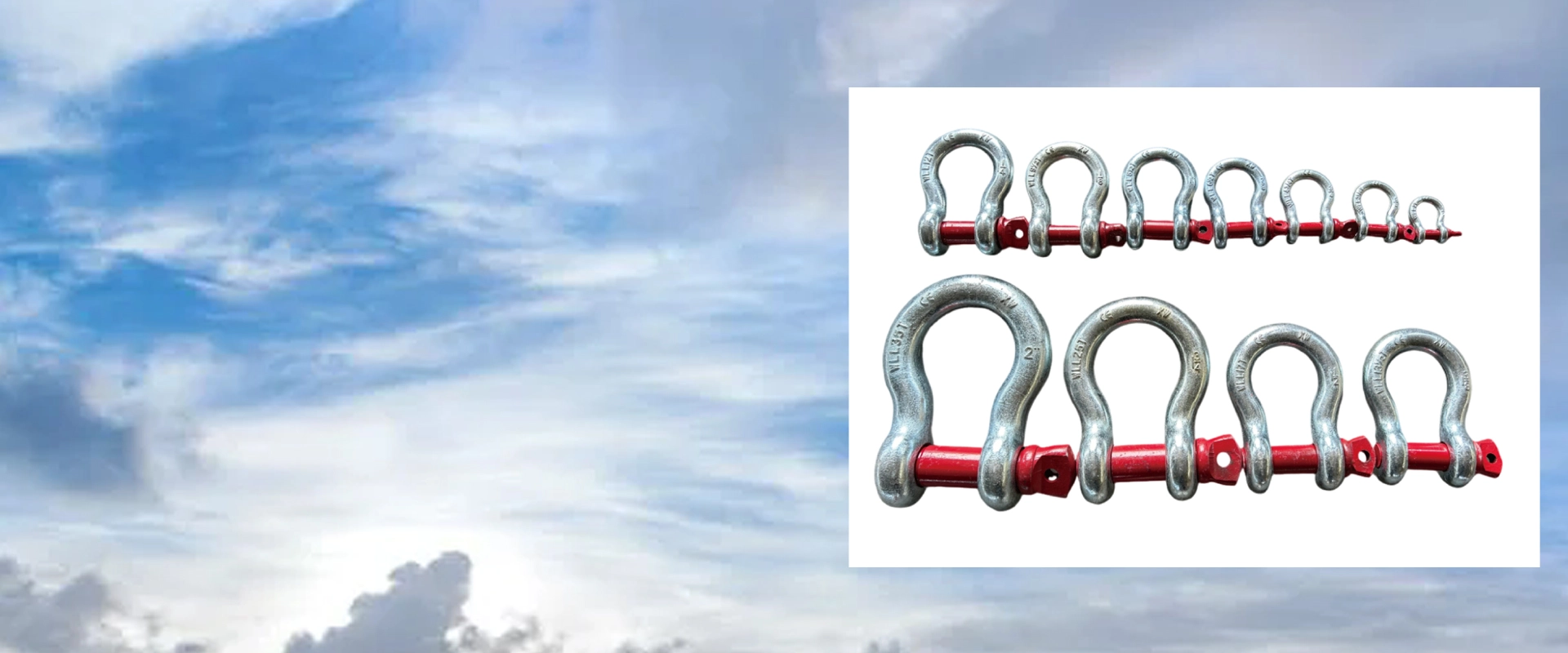
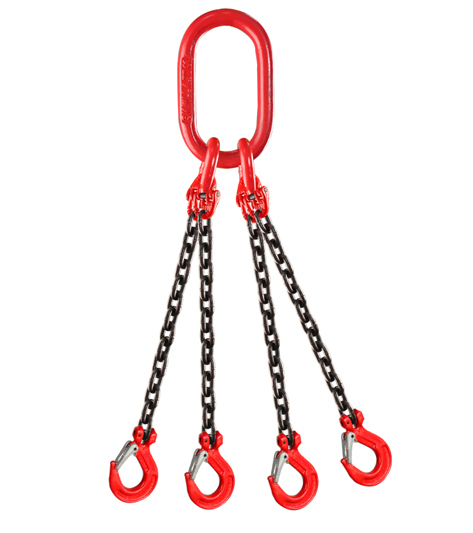
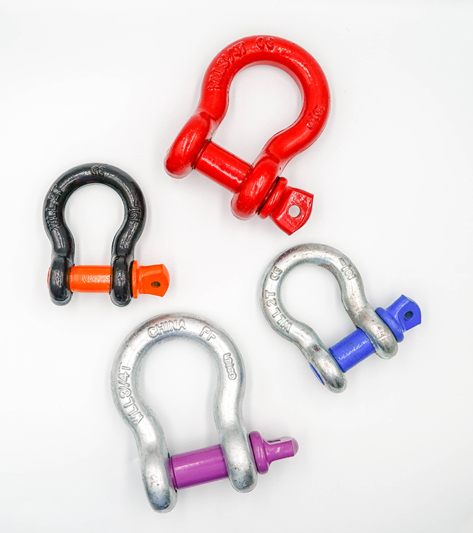
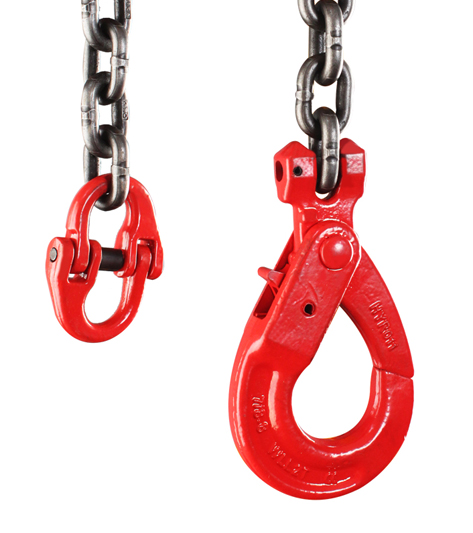
The working principle of chain sling is based on the principle of force transmission and balance in mechanics, and the characteristics of different types of rigging are combined to achieve heavy object operation:
Wire rope rigging: It is made of multiple strands of steel wire and relies on the high strength characteristics of steel wire to withstand tension. During operation, the direction of force is changed through the pulley block, and the tension is amplified or reduced by the lever principle to achieve the lifting and pulling of heavy objects. The application of the pulley block can effectively reduce the tension required to lift heavy objects. At the same time, the fit between the wire rope and the pulley groove ensures the stable transmission of force and avoids sliding.
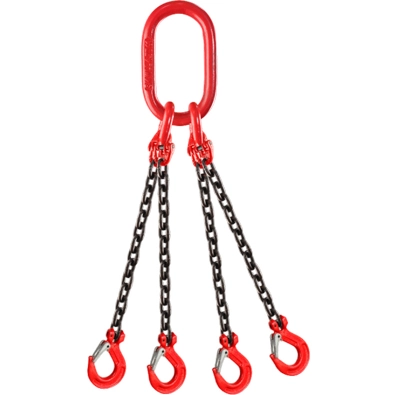
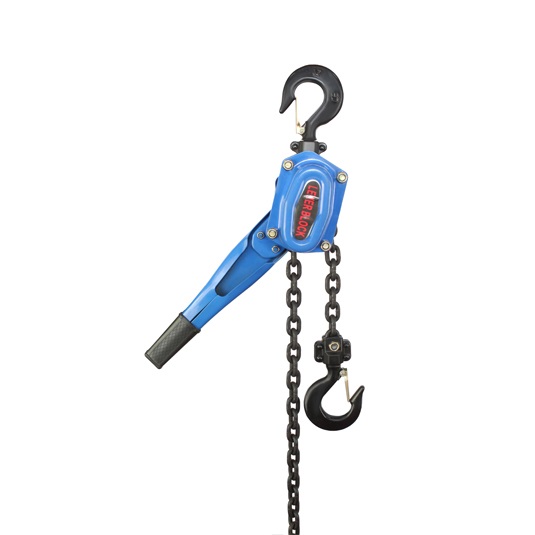
Chain rigging: It is composed of multiple chain links connected to each other and has a strong carrying capacity. During operation, the tension is transmitted through the rigid connection between the chain links, and it can withstand large impact loads. In the lifting equipment, the chain and the sprocket are tightly meshed to ensure the reliable transmission of power and make the heavy objects rise and fall smoothly.
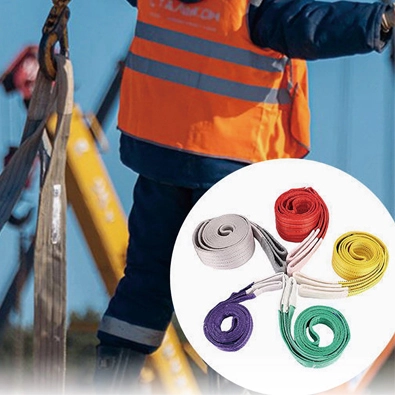
Sling belt rigging: It is made of synthetic fiber material, which is soft and strong. During operation, it fits closely with the heavy object through bundling, hanging, etc., and evenly distributes the weight of the heavy object on the lifting belt. By utilizing the friction force and the restraining force of the lifting belt itself, the heavy object and the rigging form a whole and remain stable during the lifting process.
Different types of chain sling have obvious differences in usage scenarios:
Wire rope rigging: high strength, wear resistance, corrosion resistance, suitable for various large-scale lifting operations, such as container lifting at port terminals, large component lifting at construction sites, etc. It can withstand huge tensile forces and can work in harsh environments.
Chain rigging: large load-bearing capacity, impact resistance, often used for lifting and traction of heavy objects in mining, metallurgy and other industries. For example, hoists used to lift ore in mines, and high-temperature, heavy-loaded objects such as steel ladles in metallurgical plants, because of their good rigidity, can adapt to heavy loads and harsh working conditions.
Lifting belt rigging: soft and light, with little damage to the surface of the hoisted object, suitable for lifting delicate items such as precision instruments, cars, glass, etc. In electronic equipment manufacturing workshops, when lifting precision instruments, lifting belts can avoid scratches or collision damage to the instruments. At the same time, it can also play a protective role in the handling of some items with high requirements for appearance.
In terms of use
According to the specific operation requirements, accurately select the type and specifications of chain sling rigging, strictly follow the rated load, and never overload.
When installing the rigging, ensure that the connection is firm and reliable, and avoid looseness, twisting or knotting.
The lifting process should be smooth, prevent sudden pulling, sudden stop and impact, and pay attention to the status of the rigging and heavy objects. If there is any abnormality, stop the operation immediately.
Avoid direct contact between the rigging and sharp and angular objects, and use pads to protect them when necessary.
In terms of maintenance
Carefully check the rigging before each use to check for wear, deformation, corrosion, broken wires and other problems, and replace them in time if damage is found.
Clean the rigging after use to remove dirt, oil and debris. For rigging used in special environments, special cleaning and protective treatment are required.
Store the rigging in a dry and ventilated place, away from heat sources and chemical corrosive substances, and store them in categories and mark them well for easy management and access.