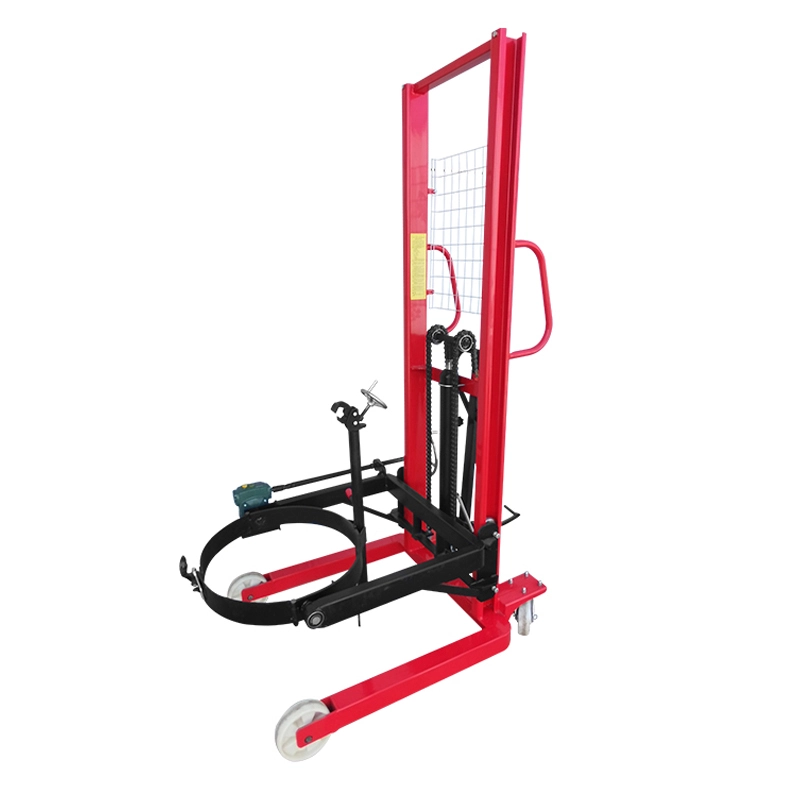
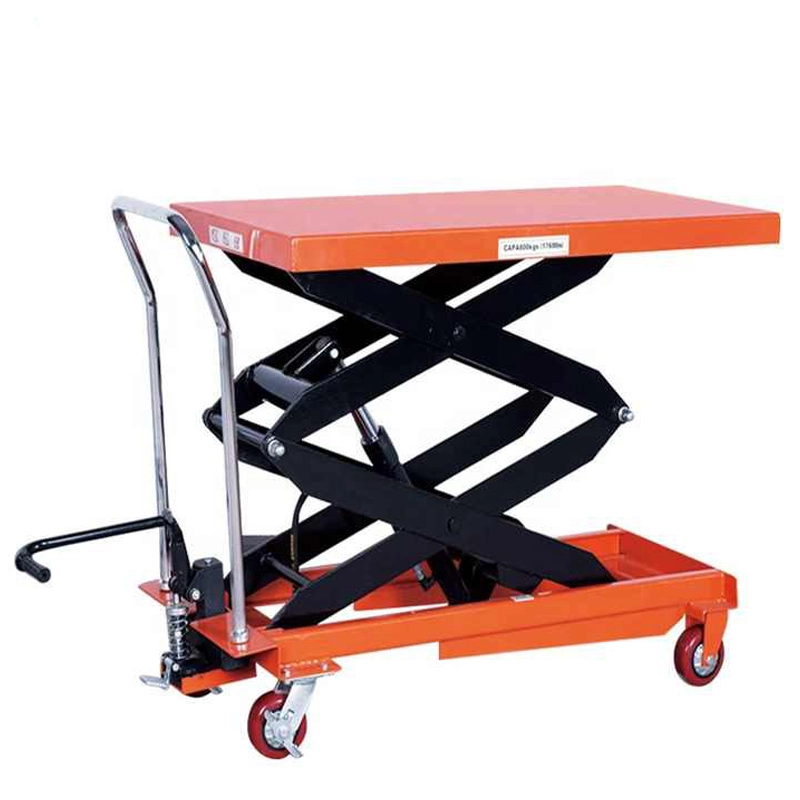
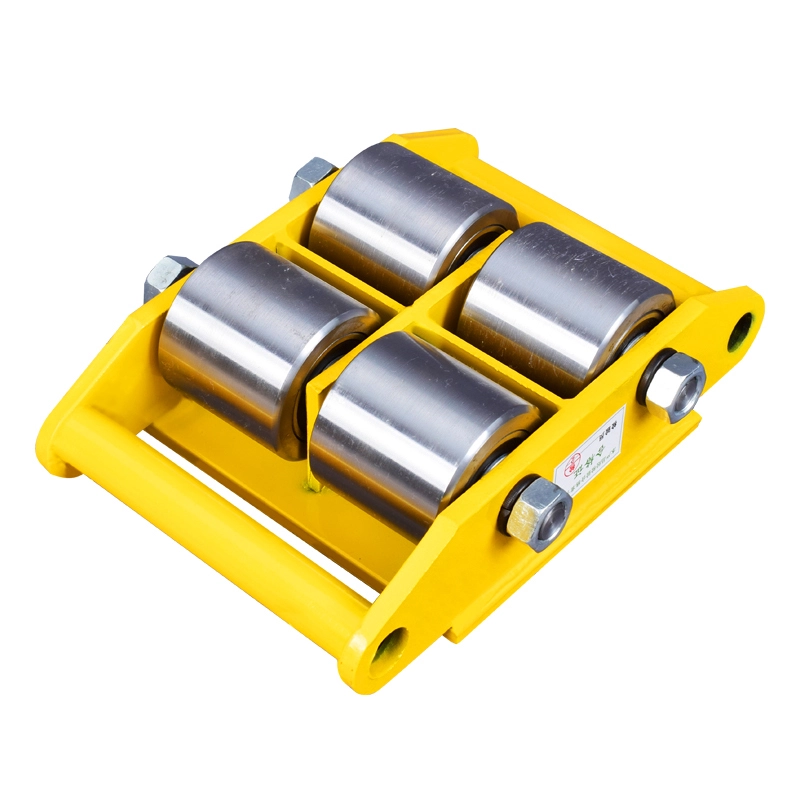
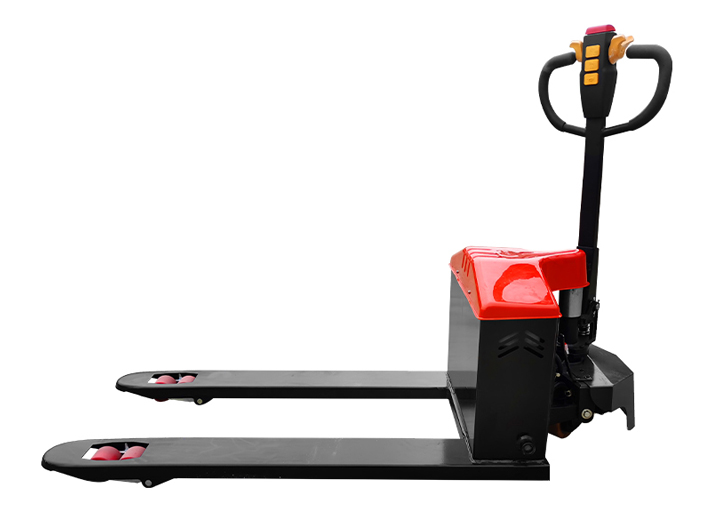
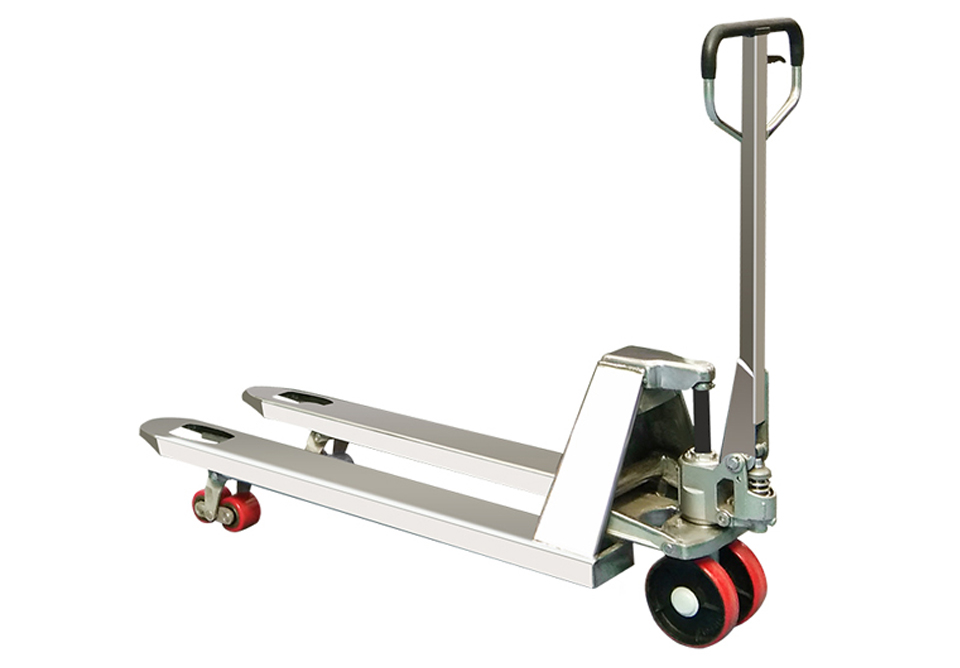
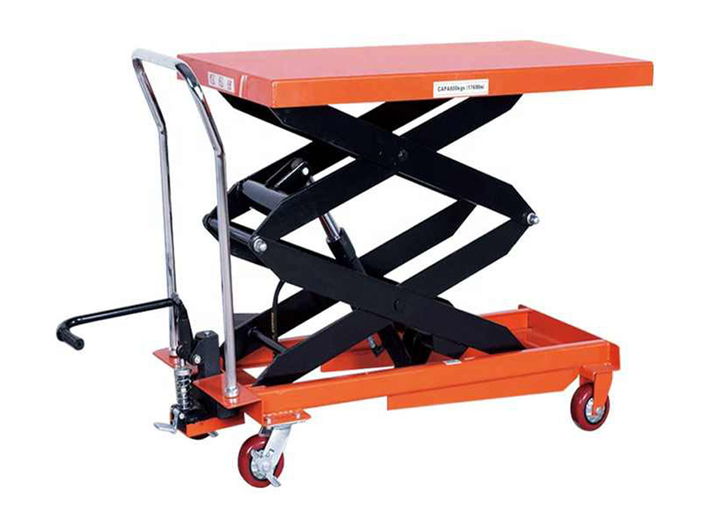
Manufacturing: In automobile manufacturing plants, from the unloading of raw materials such as steel, to the transfer of parts such as engines and car bodies, to the off-line transportation of finished cars, cranes, forklifts and other handling equipment are indispensable. In the mechanical processing industry, the movement of large mechanical parts and the transfer of fixtures also rely on these equipment to improve production efficiency and reduce labor intensity.
Logistics and Warehousing: This is the core area of material handling equipment application. In the warehouse, forklifts are used for loading and unloading goods and short-distance transportation, transferring goods from transport vehicles to shelves or sorting areas. Stackers can accurately stack goods on high-rise shelves to achieve efficient use of space. Automated guided vehicles (AGV) can automatically transport goods in the warehouse according to preset paths, improving the degree of automation of sorting and handling.
Construction Industry: Construction sites need to move a large amount of construction materials, such as steel, cement, bricks, etc. Cranes are used to lift construction materials to high working surfaces, material hoists are specifically used to transport construction materials vertically, and trolleys, loaders and other equipment are used to move materials over short distances at construction sites.
Ports and Docks: Ports are important hubs for the import and export of goods, and a large number of containers and bulk cargo need to be loaded, unloaded and handled. Shore container cranes are used to unload containers from ships to docks, and rubber-tyred gantry cranes are used to stack and handle containers at the dock yard. Bulk cargo terminals use belt conveyors, bucket wheel stackers and reclaimers to handle bulk materials such as coal and ore.
Intelligence and automation continue to deepen: the equipment will have stronger autonomous decision-making capabilities, and realize functions such as autonomous navigation, path planning and load optimization. Through technologies such as the Internet of Things and big data, equipment can be remotely monitored, data can be collected and real-time feedback can be provided, which is convenient for timely maintenance and management. At the same time, it is deeply integrated with industries such as smart warehousing and smart logistics to improve overall logistics efficiency.
Green environmental protection is more valued: new energy technology will be more widely used, electric handling equipment will continue to be popularized, hydrogen fuel cell technology will gradually mature, and renewable energy such as solar energy will also be more widely used to achieve zero or low emissions, reduce energy consumption and operating costs.
Lightweight design becomes the mainstream: high-strength lightweight materials such as aluminum alloy, titanium alloy and composite materials are used to reduce equipment weight, improve handling efficiency, reduce transportation costs, and promote the development of related industrial chains.
High efficiency and customization enhancement: In order to meet the rapid development needs of the logistics industry, equipment will pay more attention to improving loading and unloading speed and transportation efficiency. And the modular design is adopted to facilitate customers to customize and combine according to actual needs to meet diversified and personalized market needs.
Material handling products rely on the coordinated operation of the power system, transmission device and actuator to achieve material handling. The power system provides energy, the transmission device transmits and converts the power, and the actuator completes the specific action.
Forklift: Powered by an internal combustion engine or battery, the hydraulic system drives the fork to lift and tilt, the gantry tilts forward and backward, and the tires are used to travel on the ground to achieve loading and unloading, stacking and short-distance transportation of goods.
Crane: The motor drives the drum of the lifting mechanism to retract and release the wire rope to achieve the lifting of heavy objects; the trolley and trolley running mechanisms drive the crane to move horizontally and vertically on the track respectively, and the slewing mechanism allows the arm to rotate, thereby lifting heavy objects in space.
Conveyor: Relying on the motor to drive the conveyor belt, chain and other traction components, materials are continuously transported on a certain route, such as the belt conveyor drives the belt to transport materials through friction, and the roller conveyor uses the roller to rotate to transport goods.
Stacker: In a stereoscopic warehouse, it is driven by a motor to move horizontally along the lane track, and the lifting mechanism drives the cargo platform to lift and lower vertically, and the fork is telescopic to store and retrieve goods, realizing automated warehousing operations.