What are you looking for?

When purchasing lifting slings wholesale, buyers should focus on load capacity, material quality, safety standards, application requirements, and supplier reliability rather than price alone. The right lifting sling can improve operational efficiency, reduce equipment risks, and extend service life in industrial lifting applications.
For companies searching for lifting slings for sale, selecting an experienced supplier with professional manufacturing capabilities is essential to ensure consistent quality and reliable performance.
Lifting slings are flexible load-handling devices used with cranes, hoists, and other lifting tools to safely move heavy materials. They are widely applied in construction, manufacturing, logistics, shipbuilding, warehouses, and industrial maintenance.
Common applications include:
Lifting steel structures and machinery
Handling heavy equipment
Securing loads during transportation
Supporting materials in construction projects
Moving irregularly shaped loads safely
Compared with rigid lifting equipment, lifting slings provide flexibility, protect load surfaces, and adapt to different lifting conditions.
Different lifting operations require different sling designs. The most common types include:
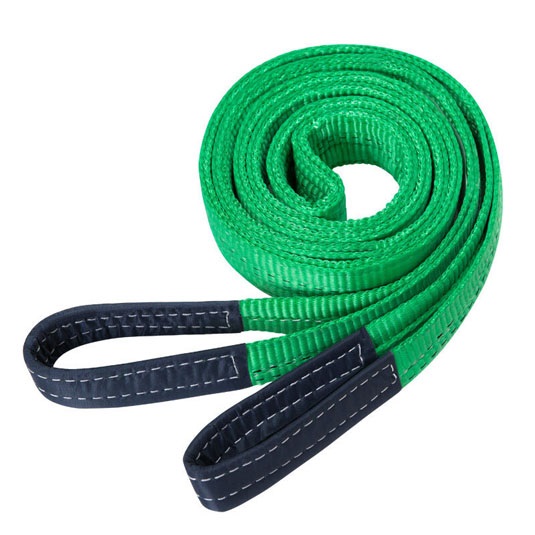
Webbing slings are made from high-strength synthetic fibers and are known for their lightweight design, flexibility, and protection of delicate surfaces. They are suitable for general lifting applications where avoiding load damage is important.
Round slings provide excellent flexibility and can wrap around loads with different shapes. They are commonly used for heavy-duty lifting operations.
Chain slings are designed for demanding environments requiring high strength and durability. They perform well in industries where resistance to heat, abrasion, and harsh conditions is required.
When choosing between different sling types, buyers should consider load weight, working environment, lifting method, and frequency of use.
Selecting the correct lifting sling requires evaluating several technical factors:
The sling capacity must match or exceed the weight of the load. Overloading can lead to equipment failure and safety hazards.
Different materials provide different advantages:
Synthetic slings: Lightweight and flexible
Chain slings: High strength and durability
Wire rope slings: Suitable for heavy industrial applications
Consider conditions such as:
Temperature exposure
Chemical contact
Sharp edges
Outdoor weather conditions
The working environment directly affects sling performance and service life.
The lifting configuration, including vertical lift, choker hitch, and basket hitch, influences the required sling type and capacity.
Bulk buyers should evaluate more than product specifications. Important considerations include:
A reliable supplier should have strict inspection procedures covering:
Material strength
Stitching quality
Load testing
Product labeling
Safety compliance
For large orders, manufacturers should have stable production capacity to ensure consistent delivery times and product quality.
Industrial customers may require customized solutions, including:
Different lengths
Various load capacities
Special configurations
Customized packaging
Working with an experienced supplier can simplify procurement for large-scale projects.
The lifting equipment industry requires high reliability because product failure can result in serious safety risks. Professional suppliers provide:
Consistent product quality
Technical recommendations
Reliable delivery schedules
Support for bulk purchasing
While chain sling manufacturers specialize in heavy-duty chain-based lifting solutions, buyers should choose suppliers based on their specific lifting requirements rather than selecting products only by cost.
A qualified manufacturer can help customers select suitable lifting solutions and avoid unnecessary purchasing mistakes.
Low-price products may reduce initial purchasing costs, but they can create additional risks, including:
Shorter service life
Lower load reliability
Increased replacement frequency
Potential safety issues
For wholesale purchasing, the best value comes from balancing price, quality, durability, and supplier support.
Wholesale buyers can improve purchasing efficiency by:
Ordering directly from manufacturers
Selecting standard specifications when possible
Planning inventory requirements in advance
Comparing supplier production capabilities
Building long-term supplier relationships
A professional supplier can provide better pricing and more stable supply compared with occasional purchasing channels.
Proper inspection and usage are essential for safe lifting operations.
Before use, operators should check:
Visible damage or wear
Broken stitching or deformation
Damaged hooks or fittings
Missing identification labels
Lifting slings should always be used according to their rated capacity and operating instructions.
Purchasing lifting slings wholesale requires careful evaluation of product quality, application requirements, safety factors, and supplier experience. Whether you need synthetic slings, chain slings, or other industrial lifting solutions, choosing the right product ensures safer and more efficient lifting operations.
For buyers looking for lifting slings for sale, partnering with a professional manufacturer provides better quality control, reliable supply, and long-term value. A trusted supplier can help businesses select suitable lifting tools and improve overall lifting performance.
Lifting slings are used to safely lift and move heavy loads with cranes, hoists, and other lifting equipment.
Consider load weight, sling material, working environment, and lifting method before selection.
Yes. Chain slings and heavy-duty synthetic slings are widely used for demanding industrial lifting tasks.
Check supplier experience, product quality, load capacity, certifications, and customization options.
Chain sling manufacturers are ideal for heavy-duty applications, but the best sling type depends on the specific working conditions.